At last, a legible version of Jonathan's travel dairies after all those years with fountain pen and ink bottle in my rucksack and motorbike panniers. Welcome to Africa…
I have been very fortunate in my family-making. I’ve chosen instinctively those that form the oddest extended families – and I have at least five around the world. A great joy is to bring them together, which I do partly through these words. My dearest friends across the world have bonded through my descriptions and have come to know one another without ever meeting in person. To connect the families across this continent; to form friendships between my families in Kenya and in Uganda and Ghana with friends of fellow feeling from England, America and Europe is a great pleasure. I’ve formed links between people who may never meet, but now feel they know a little more about one another’s lives.
The families I’ve made in Africa give me so much joy and purpose in life, a focus I’d never have known without these footloose travels: perhaps as much pleasure and happiness as if they were my own family – but that, of course, I can never prove.
To East Africa, I now carry greetings from my friends and ‘families’ far afield, to friends and ‘families’ across Africa, bringing understanding and empathy, connection and friendship. I bring gifts from half way round the world, creating bridges and links that give us all satisfaction, small presents, cheerful words, greetings, messages, gifts. I am privileged to be the conduit for this goodwill.
Listening to Alex in Uganda on the phone, excited that his father figure – and benefactor of course – was nearby, just around the big-shouldered mountain, was delightful. Hearing him laughing with Rico from Holland, Adelight from Kenya; listening to five year old Keilah in Uganda sharing shy greetings with five year old Maria in Kitale – they remember one another from our 2019 visit – I’m making bridges and smiling inside. Family is about mutual respect, love, companionship, and generosity, trust and honesty of emotion. This is the best thing life has brought me.
Adelight and Rico’s home. How things grow here. Compare with 2016…The compound just six years ago
*
Being on this continent always makes me reflect on this concept of FAMILY, a much wider entity here than that we think of in the west. The most rewarding lessons of my now 36 visits to various parts of Africa have been about family. The ‘extended family’ is the most admirable social grouping, something I began to understand as I grew to know a bit of African life in Ghana over three decades ago.
Looking up ‘extended family’ on the internet, I find the customary lack of consideration of this continent, with most entries describing narrower North American and European notions: ‘a family that extends beyond the nuclear family of parents and their children to include uncles, aunts, grandparents, cousins and other relatives, all living nearby or in the same household’. Even Wikipedia acknowledges ‘Africa’ only as a passing reference. Add the word ‘images’ to your search and you will be presented with page upon page of wealthy, white-skinned formal family group photos. Yet Africa encapsulates the notion of ‘extended family’ so powerfully. It goes far beyond consanguinity to include outsiders who have formed links by more organic social means, even by chance. Here in Kitale, the ‘family’ includes various children of no blood ties whatsoever, and then extends to include roaming ‘uncles’ from far away. It’s the same in Uganda, where, as a member Alex and Precious’s ‘family’, I was included last year at that giant funeral for his grandmother. An aunt welcomed me, in front of 600 people, as a ‘member of the family’ with the right to stand as a ‘grandchild’ among them. In Ghana, Wechiga is my closest ‘brother’ and so many who know me as brother or uncle, even dad.
Extended families share resources, especially in societies where poverty restricts most activity. It’s a generous concept in which everyone brings what they have to the deal. Naturally, the resource I tend to bring is frequently financial and practical; it’s the most rare and restrictive resource, after all. And its distribution is so dreadfully unequal in our selfish world, with Africa always bottom of the divvying out… But I get back generosity, warmth, love and respect in unlimited measure.
So, that’s why I’m here again.
That and the sunshine!
*
I’ve been rather too mobile these past five or six weeks and arrive weary, ready to relax into the warmth of equatorial sun and easy-going travels. After most of a month’s hard work in Boston, USA, I was home for just six days, to recover from another red-eye flight and prepare the seemingly endless bureaucratic nonsense that these days surrounds international travel – to which is no longer attached any vestige of romance.
Two nights in Nairobi, and up to the highlands by battered matatu minibus, an eight hour ordeal, crumpled into a small seat like a deckchair, into which I slid deeply every time the crazy driver braked, but accompanied by my ‘sister’ Adelight, who’d been in the city for a national Scrabble tournament. She’s addicted! And, considering English is her second language, often beats me now. Six Christmases ago, she manipulated me to the games shelf in a supermarket in Eldoret, the big city 50 miles away, and said, all innocence, “Oh, Scrabble would be a nice Christmas present for the family!” Little did I know of her fixation or the pressure to become her opponent most evenings in Kitale.
My Dutch pal, Rico, now an African brother for 35 years – since those heady days when we crossed the Sahara together in early 1987, me on my motorbike, he in an aged Land Rover – awaited us. A few weeks ago, Adelight bought a bottle of cream liqueur from an Indian Kitale supermarket. She’s partial to a glass of Bailey’s now and again and spotted a cheaper, Indian version. After two small glasses, she spent the next hour rushing back and forth to the bathroom. Meanwhile, Rico tried a glass, the imbibing of which almost killed him. He ended up for several days less than conscious, on oxygen, in intensive care in Eldoret. The symptoms appeared to be entirely consistent with methanol poisoning: wood alcohol poisoning, but his underlying health and age added to the effects. Without hasty presence of mind from Adelight, his junior by many years, he’d not be with us now. It was touch and go – expensive touch and go – for several days, followed by a long slow recovery. He’s improving by the day now, and perhaps having a companion with whom to drink (no more than two cans of lager) on the porch of an evening, has been the best medicine. He’d taken no alcohol for weeks, but now we can all see his return to near-normal health in the few days since I arrived.
*
On Sunday – a good day to ride the winding roads of the Cheringani Hills – I set off for Kessup, my favourite scenery in East Africa, to see my friend William. William and I are sociable folk and enjoy meandering the paths and red laterite lanes of his rural community, meeting people and chatting. I’m known not just as ‘William’s’ mzungu, but ‘Kessup’s mzungu’.
It was more fun on a motorbike when it was a terrible rutted, muddy dirt track through the hills!
Anywhere else, as Rico says, the Cheringani Hills would be called mountains. Maybe because they are already perched on top of these equatorial highlands they only get to qualify as ‘hills’. Maybe, too, that’s why I always forget just how cold it gets riding my motorbike on the curling roads through this lovely scenery. At times I am riding at 10,000 feet above sea level. As the chill settled through my riding jacket and I stopped to don a fleece jerkin, I pondered a question I was asked recently to which I had no answer: how is it that at altitude it gets colder, but we are nearer the sun? It’s a subject to wonder as I ride beneath a deep blue space scattered with Omo-white flounces of cloud. My road turns and twists as a biker likes and I gaze down into the rolling hills quartered by conifer woodland and small farmers’ shambas, neatly divided by fences and palisades of split timbers. Zinc rooftops wink and flash and I am surrounded by white smiles and waving hands. There are a few small dusty villages of timber and corrugated iron; it must be chilly to live up here. It’s rare to see a mzungu, especially an ‘old’ one on a motorbike. On Sunday, there’s little traffic, so I can daydream and gaze about at the green landscape as Sunday-dressed people wave.
This year there’s been a lot of rain: I can see that in the high undergrowth and the fertile fields. Last year at this time all was brown and dry – that’s the gamble of life in sub-Saharan Africa, getting more acute as climate change affects this delicate balance. But this year, instead, everyone has high inflation, so there’s still no money around. Times are even tougher now. When I left in March, petrol was 79p a litre, now it’s £1.18. When transport costs rise, so does everything else. Oddly, for me, even with the pathetic crumbling Brexit pound and crazed Tory party ideologues ostensibly ‘in charge’, I am slightly better off. A ten per cent increase in the exchange rate between the equal-worst economy of the G20 nations and Kenya indicates how bad things must be here. But Kenya has a new president, whom everyone seems to applaud for his efforts to try to rebalance the economy to help his poor people. He was raised in humble surroundings and appears to have some fellow-feeling for much of his nation. So far, he’s generally respected and liked by foreign leaders. So long as he knows when to retire to elder-statesmanship, there may be a little hope for this country, unlike the neighbour – Uganda – whose president is now going to his 37th year of uncontested utter corruption.
Kessup basks in the bright sunlight on its plateau part way down the escarpment of the Great Rift Valley. My usual guest house cum campsite (where I’ve seldom seen campers) enjoys a view worth maybe not a million, but many dollars, across the huge Kerio Valley, 2700 feet below, backed by steep cliffs and wooded semi-vertical rock faces, that rise another 1000 feet on my right as I curl down one of the most dramatic roads in all Africa. My room, with its expansive view across the huge valley, costs me just £13.50.
William and Dutch
William is waiting, waving from his shamba, where he’s heard my approach down the rocky track to the guest house. In March I left him money to buy a cow; he can become independent from selling the milk. Morag, the Ayrshire cow that he bought, failed to become pregnant after five attempts, so he’s swapped her for a full-bred Friesian from the same breeder. Now ‘Dutch’ actually comes to greet me, sniffing my outstretched hand much to our amusement. “In our culture, we would say that it’s a blessing. She greeted you!” laughs William, who guides me so well, through the habits and intricacies of his culture, an understanding that’s enabled me to become ‘Kessup’s Mzungu’ these past six years.
*
William, you will remember, was a Nairobi Flying Squad policeman until he was attacked by a criminal with a machete, and decided, during three months in hospital, to resign his post and return to his humble shamba and wooden house, with very basic amenities, on the Kessup hillside, where he seems to live largely on fresh air, ugali maize meal and local vegetables. Now, I see that he is very thin but looks athletic and younger than his 56 years. “Oh, I had the flu three weeks ago. I was ILL, and I couldn’t eat!” But this looks more like lack of nutrition than the result of a brief illness. He’ll be pleased I am here and will visit at various times over the three months of my safari. “I am happy when you come; I get to eat meat!” he always jokes, while, ironically, I prefer to eat the local vegetables. Oh well, dinner is a deal that suits us both well, and the £4.50 I pay to feed us both is reasonable for me.
“The goodness is, we both like to walk!” William tells me often, as we wander the paths and greet his neighbours. He’s well respected, a disciplined man of considerable integrity. Now, for two days, we saunter amongst his neighbours’ smallholdings, drink tea and tasty mountain-top water from the twisting pipes and converse in the fields – and I relish being the focus of so much goodwill. After six years, much of the population recognises me. Some of the children have grown up knowing me as their only white man, but there’s still a charming and plentiful supply of excited youngsters fascinated to touch and greet their first mzungu. I submit cheerfully to their investigation and tell them we are all the same beneath my pale exterior. “It’s like there are brown cows and white cows,” is my explanation, “but we are all cows!”
*
Of course, when you get a bit under the skin of any community you find that the romantic exterior it presents to me, a rosy-eyed visitor, is seldom the truth. Through William I often hear some of the less palatable side of life in a rural community: the lack of moral discipline; jealousies between neighbours; dereliction of responsibilities by so many useless African men who father children and leave; abandonment of families to alcohol addiction – one of this continent’s greatest problems; the personal effects of poverty and the harshness of life in a culturally and religiously repressed community in which eccentricity or individual behaviour is unacceptable.
But amongst the harsh truths I often find hope. Glory is a confident, pretty young woman who has become a GP, now working in a major hospital in Nairobi; Gideon, a brightly intelligent young man I met three years ago, who asked searching questions of me, is now at university, his proud but little-educated mother tells me as she weeds a big field of local vegetables; Doris, niece of a simple subsistence family in a rough rural compound on the slopes of the great valley, is teaching computer skills in a high school in central Kenya. These are inspiring stories of individual determination and family sacrifice and not untypical of the new generation that seizes opportunity so readily, and sometimes barely literate parents who understand the values of education unavailable to them. Education – and teachers – are well respected in all of Africa: for most, it’s the only route out of the uncertainties of subsistence life.
The Rock bar, a place to enjoy the view – but warm beer
*
Another day, we clamber up the steep mountainside – it’s 280 metres or more to the top (920 feet), a stiff climb up a broken path to the preserved scrap of forest on the very edge of the Rift Valley.
I guess it’s just two or three miles long and perhaps not much over half a mile deep, but it’s a wonderful piece of indigenous forest, towering trees, an interesting lower canopy and thick shrubs, including the lovely bright blue/purple acanthus that grows here above 2000 metres. From the rocky brim we look down on the Kessup plateau and the gigantic… well, ‘rift’, of the valley that cuts Africa from top to almost bottom.
A view from the top of the escarpment of Kessup plateau and the Rift Valley almost 4000 feet below.
We are at 2300 metres just here on these rocks, and the white stripe we can see – a dusty rocky trail we have walked on our expeditions to the valley bottom – is almost 4000 feet below. The scale of the scenery is breathtaking. A few birds soar on the up-currents, whistling past our eyrie as if with joy. But oddly, in the forest we see no birds, no animals, no snakes or lizards even. The patch of woodland is preserved by law, but nowhere in Africa is beyond exploitation. Here, the populous may take wood from trees that are already dead, and graze their animals, so it’s hardly prime forest, just a beautiful stretch of peace that clings here, conserved by skimpy national edict. Its position perched on the high red cliffs makes access from below troublesome, but through the abundant trees one is soon amongst abundant people – armed with pangas and saws…
We buy an armful of fresh spinach from ladies harvesting kale in fields below the cliffs and scrump a hard sweet carrot each from their fields. William knows that the more of the fine local vegetables we find, the more goat he will eat tonight! This year the shambas, their small terraced fields bounded by walls of balanced red rocks cleared from the soil, are green and fruitful. Water is piped from the top of the escarpment and makes Kessup’s plateau fertile. “How do you know which is your water pipe?” I ask one of William’s neighbours, who’s digging by the track side in a patch of mud. “Oh, we just know. This is for William’s mother (she lives at least a kilometre away). This is for my neighbour, and this one,” pointing to a one inch plastic pipe that is dribbling from a taped joint, “this one is for me.” Pipes weave and gurgle everywhere we walk, sometimes spraying from small fractures. Large metal pipes feed community tanks, an initiative of World Vision (the American equivalent of Oxfam) but because the water was provided free – a charitable ‘gift’ – there’re no payments to ensure ongoing maintenance. It’s often the way with ‘charity’: up-front generosity with a lot of flag waving, but backed by little real long-term benefit.
William buys 30p worth of fresh spinach from Cynthia in her field
*
Riding back to Kitale, and I get soaked to the skin up on those chilly 10,000 foot heights. The raindrops fall like marbles and bounce off the tarmac. It’s really cold until I begin to drop to lower climes, still around 6000 feet. Now I’m just soggy inside waterproofs, steaming gently around my bum. But biking’s like that – tactile to a fault, and I’ve almost never found waterproofs that actually are in rain like that.
*
Three days before Christmas, Adelight and I go shopping in town. It’s something I’d avoid like the plague at home. The very idea of Morrisons three days before Christmas makes me shudder. But in Kitale it’s fun, with smiles all around and comments and quips given and taken with goodwill. It’s not that awful shopping-by-duty that rich-world Christmas has become: no one here’s got much money, so the festival is more about getting together and being cheerful. I’m buying small gifts for the children – just coloured pencils, pads, some simple toys, a football for JB2, skipping rope for Keilah: parcels to wrap under the small Christmas tree, a reflection of Christmases past, before it all became a materialist competition.
Jolene and her big sister in Kessup get much enjoyment from a truck made from plastic waste…
The town is busy; secondary school exams finished today so children are returning home from their basic boarding schools adding to seasonal traffic. There’s a huge crawling funeral procession clogging the streets and road building everywhere leaving mounds of packed earth and clouds of dust. It’s impossible to drive at more than a crawl, with all the pushing matatus in a competition that actually slows the traffic as they jostle for road-space limited by traders, boda-boda motorbike taxis, push carts, merchandise and huge dusty road works. I don’t know how Adelight keeps patience – but she’s used to it. If we do all our errands now, we won’t have to come back until after Christmas. With a car full of groceries, sacks of chicken food and a huge bag of charcoal – from the few remaining trees up in the Turkana desert to the far north – we weave our slow way home, an hour late for beer-time. But we’ve got just about everything we need and Christmas is secure.
On Christmas eve we’ll barbecue some of Adelight’s chickens, drink a bit of wine as a treat, and enjoy family harmony. On the 27th, Alex and Precious and the children are coming to visit for three days from the other side of the mountain in Uganda. We’re all looking forward to that, it’ll be real excitement for the Ugandan children: their first ‘foreign’ visit. They don’t get many treats. I’m so happy to be the enabler of all this. On the 28th, my favourite, Scovia, Adelight’s junior sister who was brought up in this congenial household, will arrive with her new baby. It will be a family Christmas. I’m happy to be at the heart of it.
BACK TO KITALE, KESSUP AND DOWN TO THE HOT INDIAN OCEAN COAST. WINDING UP MY SAFARI – FOR NOW..!
Boys will be boys – anywhere
It’s been a different sort of journey this year, mainly restricted to just three locations: Kitale, Kessup and Sipi, and the families I come to see: my families in East Africa. Partly, this was caused by pandemic restrictions, although those are now easing almost to the point of invisibility: just face masks required by law – until three days before I fly out. In Uganda they’re almost unseen and no one cares about any restrictions any more. Their criminal president announced that the third wave of coronavirus was over – doubtless he listens to scientists with the same regard as do the British Cabinet… In fact, the virus has impinged less and less on the public mind as I have watched, these past twelve weeks; no one much cares any more. And now, the increasingly crazed Putin and his war in Ukraine have finally wiped the pandemic hysteria off the front page of newspapers everywhere.
Kenya has suffered a mere 323,025 confirmed cases of Covid and there have been only 5640 related deaths (half the number of people in hospital in UK as I write). Maybe testing here is inefficient and many cases in rural areas were not reported: people just suffered illness as Africans do, but even if I multiply by three (a recent report reckons that there were three times more excess deaths worldwide than officially reported), it shows statistics that pale in scale beside the UK’s.
*
Little JBC – Jonathanbean Cheptai – left me with an unfortunate souvenir of Sipi: a thick head cold courtesy of his coughing all over my iPad while viewing photos of himself and his sister with great excitement. I lost a few days’ energy and activity to blocked sinuses, a chesty cough and general malaise.
With just two weeks of my 2022 safari remaining, I ride back to Kessup, where William is excited by the gift of an Ayrshire milk cow. I’ve been appreciating my general wealth, and the prospect of a well paid project in USA, by trying to make my African families independent. That’s been the motivation for Rock Gardens, for various help towards Adelight’s chicken business, that now seems to be coasting onto an even keel after initial frustrations and problems, and for William, with his successful cultivation of tomatoes last year – which he’ll repeat this season – and now with a cow that may produce up to ten litres of milk every day. That could potentially make him £2 a day, a sum way beyond his expenditure. He claims that the £50 investment I made in tomato seeds and fertiliser last year kept him solvent all year, even for hospital bills when he caught pneumonia. It also gave him physical work and mental activity. An Ayrshire cow, about two years old, from a breeder in Ziwa, thirty or forty miles away, costs about £375. I’ve explained that Ayrshire is in Scotland and suggested he calls the cow Morag; it seems a good name for the brown and white cow that will live on his shamba beside the tomato beds! It’s also caused him to get another part of his shamba ploughed for planting maize that he’ll use to feed the cow. He’s a good companion, is William, undemanding and, as he constantly reminds me: “The goodness is, we both like the same things!”
We wander the red tracks between his neighbours’ compounds, greeting and meeting. “It’s a pity about your cold,” he says. “We could have walked down and spent a night…” He waves at the yawning valley beside us. He’s enjoyed those longer trips into the hot valley. I did too, but I’m not sure I want to do it every time I come to Kessup: it’s bloody hard work! So this time we stay on the plateau and greet the neighbours as we explore a track that William doesn’t know; one we’ve seen from the top of the escarpment, that disappears over the edge of the plateau a mile or two from the guest house.
*
Naomi
En route, way along the plateau, we visit Naomi. We met Naomi by chance three years ago, when we called to ask if she could give us some water to drink, one very hot, scorching-sun afternoon. It must have been a Sunday I think, as her compound was full of people, all of whom wanted their photos taken by the mzungu. My photos provide me with a pass into almost every household on the Kessup plateau: many have heard how I bring back prints. Even today, we have prints to hand out at this end of the plateau, Naomi’s included. Naomi is very pretty and, as William would say with approval, “Disciplined!” On that Sunday, three years back, I took a nice portrait of Naomi with her new baby. The next year, last year, we met and I asked after little Precious, the babe in arms. Quietly, she told me Precious had died before her first birthday. I had on my camera the only photo that had been taken of her baby child, so I had prints made in Kitale, found a frame and brought them back.
So now we visit again, with last year’s pictures this time, especially of her beautiful, cheerful five year old, Brian, and his appealing mates, Innocent and Dylan – a picture that still makes me smile. She’s delighted to see me again. It’s such warmth these people express when I return. Genuine welcome given freely. You see, as I’ve often noted, coming back confers so much respect in Africa, where most mzungus are either too grand or ‘just visiting’, passing through. Building a equal relationship isn’t easy, given our histories of conquest, colonialism and superiority inherent in aid-giving. But returning, sharing the warmth and being thankful for what people here have to give: a mug of tea, a few bananas, a glass of fresh milk, a few beans – what they have – is considered high respect.
Brian, Innocent and Dylan
We chat a bit and arrange to drop back for tea on our way back up the hill, for William and I are exploring again: the road we saw from far above. We don’t know where it goes. Does it descend to the burning valley or not? Actually, no it doesn’t, we find; well, it would eventually, but it’s not an expedient route for another trip down there, people tell us as we ask directions. So we go back and take tea and bananas from the tree with Naomi, and the cheerful children now coming home from school. And Naomi insists that she must give me the best cockerel, a large young one with fine speckled black and white feathers. So we return to the guest house with supper dangling from William’s hand. There’s an axiom in Navrongo, Ghana – that has a saying for just about everything – that ‘when a visitor comes to the house, the cockerel gets worried’. We will know that our supper is fresh. It weighs about two kilos, William reckons, weighing the flapping bird from his hand. “Supper for two nights!” he says with glee. He hates me ‘wasting’ my money on our supper any more than necessary! This man exists usually on maize flour ugali, a few local vegetables and black tea. “Eh, when my mzungu brother comes, I can eat meat!” he says, echoing Precious in Sipi. Ironic that I dream of returning to my usual home state of vegetarianism soon…
William and Naomi truss the cockerel for the home journey
William gives the kitchen strict instructions about the cockerel: he’ll probably count the bones to make sure we aren’t cheated, so careful is he of how ‘his mzungu’ is treated! I go to rest for a bit; I’m still coughing and spluttering, sniffing and croaking; my energy is at low ebb. There’s a meeting going on in the gardens, that I must pass to get to my room. It’s about fifty quite large schoolchildren; probably in their last year before senior school, preparing for their exams, for schools break for the long holiday next week. “Would you like to address these pupils?” asks Francis, who owns the guest house and appears to be talking to them himself. It’s so funny how a stray passing mzungu is always invited thus for a few words of wisdom – that it’s assumed I have. It’s happened so often, in so many situations, that I hardly blink but give them a short homily about education being the handle that opens so many doors in Africa. I sound to myself like a some old speech day duffer lying about ‘schooldays being the best of your life’, hollow words indeed. But I get a round of applause and one of the teachers takes my photo as I stand before the class, and the line of teachers nod sagely at my advice. I slope away to my room to rest until beer time, when William will arrive on the dot of five, fretting about whether my supper will be served on time. I am looked after so well here in Africa.
Soon after eight o’clock and I am in bed. One of the things I like about William is that he stands on no ceremony. “JB,” he says immediately his four beers and supper are finished, “I beg to leave. We meet tomorrow!” My deep cold is troubling me, and I have no desire to sit and ruminate and chat trivia. Bed is much preferable. Maybe twelve hours will alleviate the symptoms a bit for tomorrow’s walk…
*
For our last walk this year, we choose the forest on top of the escarpment again, a 1000 foot scramble above our breakfast table in the peaceful gardens on the edge of the great view into the valley below. The weather’s cooling a bit now, with light showers in the evenings sometimes. “The rains will start by the 15th,” says William with confidence borne of long experience. But Africa’s weather patterns are changing with climate damage; soon such certainty will be impossible. It already is really, for this has been another unusual year: dry as dust, with increasing problems in the hot valley below, extremes everywhere.
William looks down on his home: Kessup
The forest is ancient, protected now from the depredations of the growing and encroaching population. There are old trees here but, oddly, no animals at all that we can see, not even monkeys today. There are precious few birds too, a few golden-winged, blackly iridescent birds sweeping on the up-currents when we sit on the dramatic clifftops gazing down across Kessup plateau and into the huge rift beyond. Then, once again, we get lost for a couple of hours, but we know the great drop is always to our east somewhere; it’s just difficult to know which is south with the sun almost overhead, so much so that our shadows at noon are just an inch or two long. Here, the Equator is close by to the south, probably about 25 miles. Eventually, we scramble back down the cliff sides on a steep gravelly path. “One hour and twenty four minutes to rest… We meet at five,” says William, but tonight he calls as he approaches my room where I’ve been dozing, full of head cold, “Hah! Tonight I am three minutes late!” with a laugh. He is too. Punctuality is a rare gift in Africa. “I like discipline. I was trained by British!” We sit with our beers and contemplate the giant valley below, colourful birds enjoying the red-tufted tree above us. “The goodness is…”
*
I bring mangoes back from Kessup, and honey. Adelight enjoys the honey that I buy from one of William’s neighbours who deals in local honey, from the split tree trunk hives that we see suspended high in trees as we walk. It comes in various secondhand containers, thick with comb and dead bees that must be strained with a little hot water when I get home. It has an intense flavour I associate with our walks in the oven of Kerio Valley. The small bees relish some of the trees that somehow survive in the desert conditions of the sun-burned valley and its escarpment.
I bring several giant, fleshy mangoes too. If you haven’t drunk buna, Ethiopian coffee, in Ethiopia, the home of coffee, you’ve never really experienced the wonder of coffee. Similarly, if you haven’t eaten a Kerio Valley mango direct from the tree, you haven’t tasted the real wonder of mango. Oddly, this parched, scorched region produces the world’s sweetest mangoes, intensely fully flavoured, soft and without those irritating fibres. They dribble copious mouth-watering richness and grow in such contrast to the dusty harshness of the deep, superheated valley. Pineapples and passion fruits are the delicacies of Uganda in this season too. I eat so much fruit here in East Africa, almost overdosing on pineapples, mangoes, passion fruit, avocados and all the lesser known tropical delights that abound. My leaving gift for Adelight is a blender! Alex has one too now, a useful attribute for his guest house.
But, oh, I do look forward to getting away from salt and Royco, a cooking additive to which East Africans appear addicted. Its two main ingredients are corn starch and salt, with several additional E number chemicals and monosodium glutamate. It is used in quantity, and then large amounts of salt are added too. One night, Precious’ cooking found me with a headache, gulping from my bathhouse jerrycan in desperation. I’ve never liked salt: I don’t like the sour taste of it. Precious couldn’t believe that I moved from Yorkshire eleven years ago with the same two 500 gram canisters of salt that I have in the cupboard today; she buys at least a kilo of salt every couple of weeks. All I ever buy it for is deicing doorsteps, probably why it’s lasted unused for the ten winters I’ve spent in Africa… I also joked that I bought a five litre canister of rapeseed oil before the pandemic and still have two inches left in the pot. People here use that much oil in a couple of weeks. Every shopping list I undertake for Adelight has ‘cooking oil’ prominently requested, usually along with ‘Royco’. Everything is cooked in oil, even my green vegetables; no one’s heard of steaming with water, they kind of fry/ steam in quantities of oil, always adding tomato and onion to greens. How I look forward to some unadulterated vegetables, and to not eating meat until next time I am in Africa, where it’s invariably tough anyway, even though I know it’s fresh, as it walked past my table a few hours ago! For my last night in Kitale, I asked Adelight for a repeat of the best meal she made: handmade crispy chips with a fired egg on top! Of such is the comfort of familiarity…
*
I find another new murram (gravel) road home over the mountains from the heights of the Cheringani Hills, ten thousand feet above the distant seas. It’s cold: the wind chill causes me to put on my waterproof jacket, although the equatorial sun is high and hot. I pause for tea – my head-cold is still troubling me – at a shack ‘hotel’ in a remote village. It’s middle-aged owner, Milka, gives me a generous welcome and chats as I drink her sweet tea under the overhang of rusty tin that forms a verandah outside. “My house is along the road, where you see trees by the gate. I wish you could come home to my house! Next time, I will prepare you a meal!” People pass, watching the rare mzungu, greeting. Children peek from corners. Milka must have my ‘contact’ on her phone. She tries to refuse the 20 bob for my tea: I am her guest, but I insist: it’s her business. I promise to stop next time I am on this high, magnificent road. She gives me directions to find the new way to join the two tar roads over the mountainsides. Later, she phones to check I got home to Kitale safely.
*
Another Scovia – not the famous Kitale one!
Back in Kitale for the last time for now, I have little to occupy me for three or four days. I’m leaving the country in less than ten days. I’ve nothing much to do but enjoy the sun and recover from my head cold and take my afternoon walks. One day I go to town with Adelight and Maria, now school’s finished. We do some errands and I buy them lunch at the restaurant above the street again. But then Adelight’s going to the hair salon, and I know how long THAT can take, so I opt to walk home, shocking the ‘Pick-Me-There’ generation in her. She’s never walked the three and a half miles home. If she’s not driving, she’ll get a boda-boda… I walk by a longer route, using perhaps five miles; it’s humid and the sun’s strong, but I won’t stoop to a boda!
Adelight and I are comfortable friends, ‘brother’, she calls me, as William does, in the open African fashion of adoption. An intelligent woman, our victories are about equal at our Scrabble games in the evenings – in her second language, “Do you have such a word..?” My only criticism is the commonest one: ‘On the way coming…’ is the expression that sums up many – (I have to say this as it’s a fact) – African women’s attitude to time keeping. It adds so much stress to all appointments. It irritates Alex – and Rico – and William keeps himself free of the stress, living separately from his wife, “Eh, I want peace..!” I guess the attack by a criminal with a machete, when he was a senior police officer in Nairobi, that resulted in three months in hospital and the slight crookedness of his features, had a lasting influence on his attitude to the rest of his life, now spent quietly, and somewhat aimlessly in rural Kessup. Tomato and dairy farming will now supplement his obsession with following Manchester City on his pay TV, the only luxury in his simple lifestyle. William and Alex are now in contact by phone; they haven’t met yet, but they will appreciate the inherent ‘discipline’ in one another. It’d be fun to get all my three ‘families’ together sometime: maybe a project for another visit.
*
Then, fondly goodbye-ing Adelight early one morning, a week before I am due to leave Africa once again, I’m rolling south east, towards Nairobi. Well, ‘rolling’ implies a smooth, easy journey, while the reality is nine and a half hours in a battered old coach bumping and lurching over speed humps and broken main roads, the narrow carriageway shared by all manner of decrepit tractors and trailers, tuk-tuks, ancient lumbering trucks and donkey carts. But this is the way the majority of the world travels, and however bad it is, I can usually say I’ve known worse in my footloose, impecunious world travels. And I have nothing to do but sit and wait.
The schoolgirl next to me watches pop videos on her phone, image the size of a postage stamp, and listens to a wheezy, tinny speaker the size of a pinhead. Kids this age don’t seem to engage with the world around them any more: the passing country, me, let alone read a book. I’ve not seen a book in any hands but my own for eleven weeks, only phones. Thumbs clicking; attention spans just above zero. It disappoints me that she’s given way to this exploitation, but I expect every generation complains thus of the younger ones; I must accept that it’s the way it is. An overweight matron in front of me manages to gossip for three and a half hours – solid – on her phone (good battery!); a three year old across the aisle has her own phone to watch cartoons – passively – imagination processed by others, endlessly manipulative, insidious materialist messages beamed in squeaky, petulant American accents by uncaring, greedy corporations to people who have so little cash to spare. The way it is… Most of the rest just doze or fall asleep, a fact I envy so much in Africans. But the ride is easy, given the bodily discomfort. I’m just glad I’m not at the wheel.
Nairobi projects its environs at last; traffic builds and at last we are shuffling forward through jams and roadworks as the debt to China spirals. Detours over unmade ground that will soon turn to mud shake us as we lurch forward, feet at a time. The final 100 yards is the slowest of the entire 240 miles: entry to a crowded, chaotic bus depot in busy downtown. How the drivers contort large buses and matatus around each other is a wonder. There are people everywhere, carrying sacks and bags, jostling and drifting aimlessly, taxi men vying for business, idlers just watching. It’s six in the evening; the city is hot, full and dusty dry. The first taxi-wallah suggests a ridiculous sum that I reduce to only half before he walks away. It should be one sixth his fare, so I can’t be bothered: I’ll walk! I’ve been sitting for over nine hours and my bags aren’t heavy – the usual light travelling. It’s a twenty minute – rather hot – walk.
It’s unbelievably crowded in the streets at this hour. Battered rainbow buses are racing to distant suburbs, slums and residential areas, packed with sweating workers and traders. Boda-boda bikes ride on the already broken pavements to get ahead. Half the population walks along, eyes on phones rather than where they are going. They bash me and look offended, as if it’s my fault. I find a quieter street, in this city that makes little or no provision for its legions of pedestrians, giving preference to the bully-boy, inflated, glossy, bull-barred, 4X4s of the ‘successful’ Big Men. It’s bedlam and anarchy, in a city mainly planned in the past sixty years since Independence, with no concept of the demands of new cities of the future. Hot and dry, I am relieved to reach the old, faded colonial green gardens of the Kenya Club once again. I’m recognised here now and my room is cool and balconied, albeit a bit old fashioned. But it’s mine for a couple of nights and I can enjoy the relative anonymity of the place, for I – who spends a good deal of time in my own company – have been in constant closeness these past eleven weeks: in the heart of the Kitale and Sipi families or with William. I’m not ungrateful for the close friendships, indeed, I revel in them, but just sometimes to be amongst strangers, even though no mzungu disappears even in the capital city, is a small relief. But even in the garden bar as I relish my evening beer in calm darkness, a gentleman must come to greet me and welcome me to this old relic of colonial history: the ‘Club’, a nostalgic comfort to his generation in the chaos of this African capital. I order an approximation of spaghetti carbonara: it’s time for comfort food again tonight…
*
100 years ago, trains criss-crossed Africa: they were giant feats of colonial engineering, opening up the continent from the coastal ports. The majority of lines have long since rusted to obscurity. I remember the crumbling railway museum in Harare, Zimbabwe, where Gordon, an enthusiast left from the days of white rule, was living out his pensionable years curating the heaps of rust and dust and piles of antique yellowing papers, tickets, dockets, manifests and fading artefacts. Nowadays to ride a train in Africa is exotic – or so one would think; there are so few lines left and almost none restored, bridges have fallen, lines been pulled up for ‘recycling’ by local people; there’s little evidence left. Main stations, like that of Accra, have become markets with shacks straddling what’s left of the lines, ankle-twisters in heavy steel amongst quaint, peeling architectural gems. But now we have the Chinese; and Africa has their debts to that uncaring country, but one thing the Chinese do know about is railways. My ride from Nairobi to Mombasa on the Chinese train had many overtones of my travels in China in the communist 1980s. The same militaristic uniforms, faceless staff, constant mopping of the floors by uniformed cleaners, even the same piteously uncompromising seats in which to wriggle and twist for six uncomfortable hours.
This line between the coast and Nairobi – so far: there are plans to extend it upcountry – is the first to reopen. The trouble is, it’s as inconvenient as air travel: the vast new stations are WAY outside the cities! The whole joy of railways was that they took you to the heart of places. This one starts half an hour’s taxi ride out of Nairobi, beyond even the international airport. At the Mombasa terminus, you must get transport five miles or more into the city. My before-dawn taxi from the old Club cost me twice my rail fare to Mombasa!
I’d entertained the idea of exoticism and an edifying touristic ride through African savannah as we descended from Nairobi’s heights to the Arabic-influenced white towns of the Indian Ocean coast…
It wasn’t quite like that. Babies screamed and wailed; the windows were grubby and hardly up to game-watching as the line passes through extensive national parks, as vaunted on the railway’s advertising pitch; there’s no choice of seating; the bureaucracy is stifling, militaristic and officious, with heavier security than at the international airport: out of the taxi while police lift the seats, open the pockets, check the boot; a pat down by unsmiling police at the station entrance; bags sniffed by dogs while their owners stand in a regimented line back from them watched by unfriendly police who bark commands as if we were criminals in an identification parade; bags through a scanner; a complex ticket machine (you can’t pay online or with cards or cash, only with Kenyan mobile money apps); ticket check; passport check; another baggage scanner; another pat down, and finally another ticket check. Once on board, the instructions are firm and pernickety: everyone must conform in this atmosphere of suspicion and officiousness. It could be China.
The woman next to me plonked her bag on the table obscuring my view, then she watched YouTube videos for four hours. The toddler opposite fought with his brother, hit his uncaring and uncontrolling mother and wailed and moaned, kicked my knees repeatedly and thankfully left after three hours: the archetypal spoiled African small boy brat.
Maybe I should have taken First Class, but I like equality and thought it’d be friendlier in Economy. No one addressed a word or look at me in six hours. It was a Ryanair experience of African train travel. Quadrophonic babies shrieked as the temperature steadily rose outside, from Nairobi’s 5000 foot pre-dawn 20C, to Mombasa’s 40 degrees Celsius at 2.00pm..! 104 Fahrenheit. Assaulted from all angles by squawking phone speakers and argumentative American cartoons in squeaky high-pitched slang, the earplugs provided welcome relief by hour three, and I retreated into my own world as far as the conditions allowed; hot, flat savannah country rolling by the cloudy windows under a huge sun-beaten sky.
*
The light is different in Mombasa, after the highland towns. To the east spreads a vast ocean; it’s a city of the sea and spices of the East, filled with Arabic and Asian influence; faces are thinner and paler; the buildings have an exotic eastern look; most are painted white; many have the minarets and domes of Islam and Hinduism; the scents are different; the very breeze smells of another air from the inland higher lands. People move loosely, are of different genetic stock. The streets are filled with tuk-tuks; fruit is piled at pavement stalls, coconuts and bananas. I can walk on pavements – crowded and superheated, but planned cohesively along the wide main avenues. It’s a surprisingly attractive place. I’d forgotten that. I visited briefly, 20 years ago, more concerned with my onward journey than experiencing with my senses the novelty around me.
The matatu conductor from the train terminus, way out of town, taps me on the shoulder; I’m bent into the front seat next to a crazed driver. “You must get down here, we turn at the next street…” he tells me in a friendly manner; he’s been quizzing me about that last journey of mine, all the way from Cape Town by motorbike. “You can get a tuk-tuk.” So much for telling the touts at the enormous, arrogant ‘Mombasa Terminus’ station that I wanted to head for the city centre… So I get out and start to walk. It’s 40 degrees, but there’s an odd ocean freshness to the air, despite the intensity of the light and sun. There’s that intangible sense that the sea is somewhere nearby. I’m on a small island surrounded by channels, and out there the open sea stretches half way across the world. I’ve a quiet smile that belies my extreme discomforts. I walk.
I find my way to the centre of the city, to it’s best known landmark, two pairs of sheet steel tusks that arch over one of the main avenues beside the small Uhuru (‘freedom’) gardens. The tusks were put here for the Queen’s state visit back in the early 1950s, that time she acceded to the throne while she was in Kenya. None of us had TVs for the subsequent Coronation, and I had quarantined chicken pox and a picnic the day she became Queen.
The tourist office is on a corner here, a cheerful woman but not much information and just a map of the historic part of the city that I tear from a bigger map of the country. Tourism hasn’t happened for two years. She points to a hotel two hundred yards off that she reckons will be ‘pocket friendly’. I drip into reception, take a fan room (I abhor air-con, whatever the climate) and soon strip off – well, peel off – my sweat-heavy clothes and stand under a cold shower; then I drape the room with washing under the fan. I’ve travelled very light down here (why the heck did I bring my thin jumper? The invariable habit of the British, I guess).
Then I text Maureen and lie beneath the swirling fan to get back my energy.
Next moment the peace shatters with that God-bothering moan to the skies, “aaaLLLLAAAAHHHH AKbar! AAAALLLLAAAAHHHH AKbar!” I’ve picked a hotel across the road from a mosque again! Earplugs at 5.00am… Amplification: the worst invention for Islam.
*
My respect for my White African Brother, Rico, grows with every ‘Rico Girl’ I get to know. He may be irascible and impatient at times (sorry, chum!) – but the legacy he is leaving behind here in Africa – one I try to emulate in my own way – is impressive indeed. In the 35 years since we discovered this wonderful continent and its human treasures, he has committed much of his life, and the comforts he could have enjoyed, to the informal adoption of waifs and strays, (almost all girls: there were a couple of boys, but that didn’t turn out very well, here where boys resent any control), the neglected or orphaned children of members of his first Turkana wife’s extended family, some orphans who just happened along, and later the two junior sisters of Adelight. Ten or twelve if them altogether, a more delightful group of young women I know not anywhere in the world. It’s my privilege to be their ‘uncle’. I’m proud of them too. And even prouder of the way they accept me as a friend.
Maureen with a wrinkly uncle who’s bathed in tomato sauce…
Maureen talks so proudly of her ‘Dad’ as she forges her own way into a world that’s difficult for young African women. She’s animated, curious, very smart and very determined. “Well, it’s what Dad taught us: independence… I want him to be proud of me.” These girls recognise the love and commitment he’s given them. She’s pretty, cheerful and exudes her confident maturity. She is delightful. We walk to a restaurant that pounds with music that would normally irritate the hell out of me, but somehow, in this lively, curious company I’m relaxed as we talk (shout) and find out about one another, for we’ve only met once, quite briefly, since she was five years old. Now she’s 26, quietly ambitious, surprisingly world-wise, very determined and admirably independently-spirited for a young African woman. I get the feeling she knows where she’s going and she won’t be cowed on the way there. There’s a toughness beneath the pretty, feminine exterior. She’s already quietly breaking convention, a Turkana woman from unprivileged roots, given a chance in life that she’s grabbed with open eyes and both hands. We talk – in that noisy outside bar and club – and eat extravagant king prawns in coconut and tamarind sauce, with a couple of drinks. She tells me of her junior brother, whom she brought from Turkana, where he was becoming wayward and rebellious, to mentor him here in Mombasa. Derek’s 18, and she is proud that yesterday he completed his school exams, something of which she has dreamed. Now he must decide on senior school or technical school. I can hear the pride in her voice on his behalf, a generous spirit that has probably changed the life of another young person with few privileges beyond a determined sister.
*
Next day, she has classes until two in the afternoon, then she invites me to visit her home, a rented room in a crowded part of this crowded city. I must take a matatu and instruct the conductor to drop me at Buxton. It weaves through the craziest traffic. “Buxton!” The conductor taps my shoulder, and I alight into the chaos, but good as her word, Maureen’s bright smile lights the unruly crowd. She’s waiting with her friend Ken. We hire a tuk-tuk and clatter to her district.
Maureen is studying journalism, with particular interest in video and photography, as is Ken. She has a project to complete this weekend for term exams: she must create a 20 minute discussion programme and write justifications for her choices and organisation. She has a minimal three days, no equipment beyond her phone – and the power’s off at home – has been for a week now as the landlord hasn’t paid the bill. We discuss the work. What will be her subject? She suggests talking with me about my African travels, but I point out that the test paper states ‘discussion’: it needs someone else to argue with. At last, we decide on the subject of the extended family, the thing that perhaps I admire most in Africa life. Is it a good thing? Is it being lost? Will it survive? What are its benefits? We have Ken, Derek and me to discuss and Maureen to host. We talk for half an hour to her phone camera, hoping the battery holds out. Children scream outside the 12 foot square rented room she’s made home. It’s hot, baked beneath the Mombasa sun, there’s no electricity: no fan. But it’s a good subject, we agree. Derek favours the nuclear option; I admire the old ways; Ken is a bit ambivalent: he was a late birth in a huge family and most of his brothers are older than uncles, but he appreciates the wisdom of the uncles and grandparents who were around as he grew up. Maureen of course, comes from one of the most ‘extended’ families in this part of the world: the Rico Girls, adopted for various reasons and several tribes.
We are done. I’ve suggested we have a celebratory supper at some place they’d like to enjoy. We cram into a tuk-tuk and rattle to a very fancy restaurant overlooking one of the channels around this intriguing island city.
*
Maureen, Uncle J and Ken
It’s my role, and my pleasure, to be the visiting uncle this week, providing unusually rich meals in nice restaurants way beyond the budgetary dreams if these young women – to them and their charming close friends. Not the sort of places I usually choose either, so it’s enjoyable for me to be host, and here in East Africa even the smartest meals cost half those at home. Ken is another mature, wise, decent young man. It’s such fun, when you get to this ‘third age’ in life, to make young friends; one of the major joys of my African travels. They are respectful, warm-hearted and charming. “We’ll celebrate Derek’s achievement,” I say, to Maureen’s smile. The three modestly choose a cheaper pasta meal with a respect that amuses me and reminds me of my own youthful timidity. “Oh,” says Maureen, a little crestfallen, “I thought it’d be bigger for that money!” But although the dish is small, the food is much richer than that to which she is used. “Hey, I’m feeling full!” she declares half way through, with a happy smile.
Late in the evening, they put me in a tuk-tuk back to my hotel. Trouble is, I ate a whole fish in delicious sauces. It was excellent but almost as I finished eating, a fishbone sank itself into my gum behind a front tooth! By morning it’ll be agony. I can see it in the mirror with my torch, but no one has tweezers. I visit a couple of late night chemists. No tweezers. So I have to find a nearby private hospital clinic, happily open 24 hours, and it costs me £7.50 to have the laughing doctor dig about and eventually remove it. The fish was already quite expensive, now it’s reached smart European prices!
*
The Mombasa Tusks
At breakfast, a text pings in from Maureen: ‘we are coming to pick you up at tusks.’ Tusks are those double arched steel tusks that span a main avenue, built for the state visit of Princess Elizabeth. Maureen, Ken and Derek want to host their uncle again to a meander around the Old City and along the shores of the sapphire ocean, where the breeze brings me relief at last. We have extravagant coffees by the waterside and suck the water from coconuts – one of the flavours of the Tropics, and eat boiled potatoes coated in fried batter and served with vinegar, a local speciality, they tell me, as we sit at a broken wooden stall by the ferry I crossed twenty years ago when I rode from Cape Town.
*
I like Mombasa! I’ve been just the once before, briefly, two decades ago. I flew my African Elephant and myself home from here in 2002. Now, I find its calm atmosphere attractive. I like the bright white light, the sweaty heat and the calmness that seems inherent in this intriguing small island city. Its run-down decrepitude gives it an air of interesting authenticity for such a tourist city. It’s a working city, a port, a melting pot of cultural identities. The Old Town, with its history of seafaring and trade across the seas with Arabia and the East, is colourful, crowded together with no discernible plan, surprisingly quiet and astonishingly hassle-free. I’m suffered to wander with little more than a friendly “Jambo!” for my whiteness. Why, I get hassled more in Kitale than in this, one of Africa’s major tourist destinations. Mind you, I do do my best to blend in: I wear long trousers in this largely Muslim town, a short sleeved shirt instead of tee shirt, keep my camera in my shoulder bag, and carry a local newspaper prominently (tourists don’t tend to read local papers, so I let people believe I live in Kenya “Oh, I’m more used to the climate in Kitale!”). So-called ‘guides’ are easily shrugged off with a wave of my paper.
My young guides (Ken has lived here all his life, although most of his family except his mother, are still in far western Kenya) are familiar with the city and its mind-bending layout. We jump in and out of tuk-tuks: they wouldn’t usually be so profligate, but they want me to be entertained. The traffic’s remarkably disciplined and these tuk-tuks that plague other Kenyan towns with their small, smelly engines and slow speeds, are here quiet and well behaved, a sensible alternative to the irritating, badly ridden boda-bodas, a rarer vehicle here. The wail from mosques deafens, this Friday morning. Moslem women are enveloped in shrouds, many visible by no more than half an inch that contains two blank dark eyes. There are smells and flavours of Arabia, the Middle East and Asia that remind me of my impecunious early travels and lead inevitably to thoughts of the energetic young man who wanted to find out how the world worked. It was a different, unconnected world then, much bigger. It has shrunk with all our technology, there aren’t many mysteries left. But it also gets paradoxically BIGGER, because the more I SEE of it, the more I understand how much there is still to explore. Now I have to begin to accept that I won’t see a great deal more of it; I must make do with what I’ve already witnessed. My curiosity is undimmed, my energy is still pretty much there, my body willing, but time’s running out! That’s life, I guess…
*
Ken, Maureen and her brother Derek – fine people to know
Maureen and Derek cross a hectic street to find coconuts. Ken and I stand in the shade of a twisted iron market building, cages of chickens piled high, smelly, shit-filled, behind us. I’m a mzungu, visible by the special radar Africans have. Men and women try to sell me pop, nuts, fabrics, sugary sweets, endless polluting bottled water, snacks – everything they can carry and maybe sell, that makes a difference between food for the family, basic school fees for big families, medical help in emergency, booze to forget, secondhand clothes to wear – all that or poverty. Tuk-tuk drivers pester for a fare, beggars wheedle – there seem to be a lot in this Moslem city, richer pickings maybe, thanks to the Islamic belief that you are obliged to give away a small percentage of your income? I watch the colourful, crazy parade past our busy corner as we wait for the coconut water.
Then a little comedy act plays out. A woman, shrouded from head to foot in black – even her hands are gloved in black – is joking animatedly about the mzungu. Ken is laughing; I have no idea what’s going on, except that this bag of blackness, in which I can see just two lively eyes of completely indeterminate age, beauty or otherwise, character or even bulk, wants me for a husband. It’s a real performance that’s gathering a crowd of laughing spectators. If I have a wife already, she’ll turn her into a turtle to get me, she threatens! It’s extraordinary: this completely invisible woman, whom of course I see as downtrodden by a culture mainly controlled by men, has a wide humour and extrovert character. How can it be? There’s a skilled comedienne under all that hideous black cotton. She’s undoubtedly smiling and laughing, but it’s all invisible! She may be a ragged harridan for all I can tell, or an international beauty, come to that. Maybe she’s a toothless, fat, aged hag? Or a sophisticated business woman? A grandmother or middle aged? The only thing I can tell for sure is that she’s not cross-eyed. All that’s visible is two deep black eyes and the ridge of a brown nose. Nothing else! But it’s good to break my rather stereotypical prejudice of these Moslem women, downtrodden and hidden, subservient and controlled. Zinah, who writes her phone number on the top of a page in a notebook, tears it off and hands it to me, has an extravagant sense of humour that belies all My preconceptions of her lifestyle. The crowd laughs; I laugh – and at last she flounces off with big waves, into the chaos around us like a billowing flag of black fabric, anonymous but for her spirit.
*
Marion texts me not to arrive before four in Voi, where she’s studying tourism. ’I have classes and I can’t miss my lesson Hahahaha!!’ So we wander along the blue shoreline. I’m getting badly beetroot on my face and head; it’s sore, I didn’t bring a cap in my light-travel obsession. I thought my skin was tough after almost twelve weeks. But Mombasa sun is of a new intensity. My young friends guide me to a city centre matatu stand, negotiate with hustling conductors and wait until I pull out of Mombasa, waving me away with engaging respect and generational ease that I admire so much in educated African youth. They are charming, smart and attractive.
Perhaps on my next trip, I must persevere with that appalling road that so frightened me last year that I retreated defeated to the highlands. There’s only the one road I can take. It didn’t look that dangerous from the train..!
But it does from behind the mad driver of one of those matatus as I ride to Voi…
*
In Voi, it’s the turn of Marion. She’s Adelight’s junior sister, brought up by Rico since teenage years as a sort of dowry agreement with their mother. Now she’s away at college, here in burning Voi, a regional town surrounded by the vast Tsavo National Park, 150 kilometres back towards Nairobi. We meet at the busy matatu stage. She’s with her closest college friend, Esther, a slim, quiet young woman from Eldoret. Voi doesn’t look to have much attraction: just another hot, dusty Kenyan town like a thousand others. We walk to a nearby hotel where I check in to a tiled, hard-surfaced room and I suggest we head out for a drink and supper at some place they’d like to try but is beyond their means. That includes everywhere, of course, but they select a large ‘resort’, a sort of giant motel on the highway a few kilometres from town. We pick a couple of boda-bodas and go to sit by the swimming pool and eat more fish.
Marion’s grown up so much, these past two years. “Oh,” she says, “I wanted to go away to college, somewhere far. I know that’s important for my independence. Mum and Dad wanted to keep me near Kitale, but I needed to learn to live on my own.” She’s gained confidence and lost her timidity. She’s aware and wise to the pitfalls already. She’d like travel agency work when she completes her studies. “Maybe some personal guiding – but not big wild animals!” she laughs. She’ll be a good companion. She too has found her sense of humour and is a cheerful, engaging young person. I’ve come to really enjoy her company this year. She talks happily of our trip to Mount Elgon at New Year, and our visit to Sipi two years ago. Her entrepreneurial ambition in the short term is to trade in secondhand fashions amongst her fellow students, buying and selling mtumba clothes to support herself here in Voi. A small gift from Uncle J should kickstart that venture.
*
Next morning – I’ve only two more nights in East Africa this year – I take the train back to Nairobi, a four hour ride. I treat myself to 1st Class this time. It’s only £15 and it’s comfortable, peaceful and I’m not kicked by fighting toddlers or entertained by numerous tweety phone speakers. It feels very civilised. And it’s my final journey in Kenya this year.
Marion phones to check I’ve set off from Voi and I pick up an email from Maureen in Mombasa:
‘Am so thankful for the time and money you spent with us. You left us with a lot of positive emotions and energy. Personally, it’s like you have infected me with the smiling virus you impact on your journeys, I must confess, I am smiling yet again, I mean it literally. I am laughing and smiling from my heart with all I interact with. Thank you so much.’
How could anyone fail to connect with such honesty and generosity of spirit?
*
I meet Scovia in the hot sunshine outside the station in Nairobi. The journey back up’s been calmly comfortable in 1st Class. How my travels have changed! An unknown decadence at odds with all those rugged earlier journeys. But here I am, two days left, and it looks like I’ll be in America within two or three weeks, engaged on another museum project, so why not indulge the £15?
*
I stay with Scovia and her fiancee, Webb, and his bright young sister, Ivy, in their rented flat an hour – or more – from the city centre by bumping, contorting matatu and battered bus. Scovia and Ivy do this journey in and out every day of the week, sometimes over two hours in dense traffic, like most Niarobians. I’d be driven mad, but this is city life for millions on the continent. Thank god for Harberton, waiting in two days.
On Sunday, I get a PCR test at Nairobi West Hospital, the same place as last year. It’s well organised but tedious, although on Sunday it’s quiet. I’m still not certain I need the £30 test: instructions from KLM in an email this morning say I don’t need anything but vaccination for Britain; the KLM website though is ambiguous about my transfer in Schipol on Tuesday; and Kenya Airways, who handles by their partner KLM locally, say I need a test. Well, rather a £30 test than refusal to board my plane. A tax on my holiday travels.
*
So, effectively, as I sit here in hot sunny Nairobi, another safari in Africa is over. In total, I’ve spent almost five years touring this fascinating continent in 35 trips. It’s been a huge influence in my life, an obsession even, that has guided my opinions, beliefs and behaviour for 35 years.
This journey’s been rather slow and relaxed, less riding – only about fourteen hundred miles. I’ve consolidated ties with my families, worked on the development of Rock Gardens and walked a great deal, getting so much more depth in my understanding of the landscapes and peoples. I’ve given away considerably more money than my trip has cost this year, with the pleasure that comes with giving – and seeing recipients wisely use the gifts for their families and their futures.
*
A woman, about 40 in a glitzy black Sunday hat and smart dress, walks past the coffee shop where I am sitting in the shade on a low balcony, writing these paragraphs. She’s staring openly at the mzungu. I make eye contact and give her a big smile. She doesn’t look away. She smiles back, happily unembarrassed, gives me a jaunty wave and walks on.
It means nothing but ‘welcome!’. A momentary incident among millions that illustrates why I continue to love Africa so much.
Age and cameras are unsympathetic… But the coconut water is wonderful
One of my favourite photos of this trip. This lovely child rejoices in the name of Princess Night!
This year’s trip is different from so many others. I’m not riding far, exploring places I already know in more depth and consolidating friendships with my old friends and families. It’s a constraint of the pandemic, as last year, to some extent, but also just a change of emphasis from my footloose wandering journeys of old. I’d like to explore Tanzania, but the tedious business of PCR tests and visas causes me to stay nearer home for now. ‘Home’, a place where you feel you belong, the dictionary says. And this year I’ve just swung between the three familiar places in East Africa: my ‘base’ in Kitale, the family (and my ‘work’) in Sipi and my walking mate in Kessup.
I refuse to credit any of this change to slowing down for age!
*
Playing to the crowd, being larger than life, is easy in such a receptive place!
Once at least in every safari I ride another of my favourite roads, a twisting bucketing 25 mile trail ride straight up – or down – the side of the Great African Rift Valley to or from the cool heights at Nyaru. Now I start out with the long winding tar road descent from Kessup’s plateau, the heat increasing as I drop into the great Kerio Valley once again, then I turn onto white dust and rock for a hot ride to the base of the steep escarpment. I cross a trickling river (‘Crocodiles have been seen in this vicinity. Cross with care’, warns a rusted sign) amongst the mess left by the fluorspar mines and begin the quickly cooling ascent to the heights of the highlands. It’s a rise of about 5000 feet, most of it achieved in about eight miles of rough ground. At the top, after a mug of chai in a dilapidated shack, I continue on a new road that teeters along the very top of the cliffs. Anywhere else in the world, there’d be lookouts and viewpoints all the way, but this is Africa, and it’s a mere practical route from village to village, with scant views through the thick clifftop vegetation. I have to struggle through bushes to even glimpse the vast valley below.
Push too far and I’ll fall in…
Then I turn onto a red rock road and wander through the Kaptagat Forest to the quaint, faded colonial hotel with its candlewick bedspreads and big log fire in the old brick fireplace in my room. I think I come for the log fire redolent of the forest cedars. It’s battered around the edges, is the Kaptagat Hotel, but I get a warm welcome from Ellen and the workers here: I’m ‘their’ mzungu by now. “I thought of Jonathan just the other day and tried calling your number, but it wasn’t picking…” It won’t, I have a new phone number each year.
*
Adelight’s a bit lonely, with Rico in Congo and all the girls back at school, college and work. She misses our nightly Scrabble contests. ‘Welcome, bro, most welcome’, she texts her reply to my message that I’m on my way. Her text continues, ‘Imagine, today I thought of buying ingredients for bread knowing that any time you will be back here.’ And so home to base once again in Kitale.
*
Some months or so ago, Adelight’s twin sister, Braxides, gave birth to a baby girl. Sadly, little Noreen was born with a hair lip. An admirable charity works to operate on these unfortunate children, called ‘Smile Train’. Surgeons move about the country carrying out multiple operations in different regions. Noreen had her operation at the Dreamland Mission Hospital in Kimilili, the town from which the family hails. On the day of the procedure, Adelight, Maria and I paid a visit.
Dreamland Hospital hardly lives up to its optimistic name, although for a mother with a baby with a deformed face, it may indeed fulfil its promise. It’s a basic place way down red dust tracks, a mile or so from the scruffy, meandering town of Kimilili. Comforts are few, the wards harsh and empty of all technology. The mothers stay with their babies for a week, in a concrete ward with nine chipped iron bedsteads, time-worn sheets and a faded blanket each. Every bed has a mosquito net, but there is no further furniture or comfort. A door at the end of the ward is signed to the washrooms. Open steel-framed windows, rather dusty, look out on yards with scant grass and washing lines and the morgue. This is African reality: and a reality for which many are deeply grateful. Eight cheerful mothers have bonded in the small ward, watching one another’s babies and living from a suitcase or assorted bags. They sit on their beds nursing babies, each with suture tapes across their upper lips, and drip connections in their tiny wrists. A three year old boy, in matching trousers and waistcoat, in for a second operation from a more serious deformity, stares at me with big eyes, fascinated by the mzungu visitor – as are all the mothers and babies! It’s impossible to imagine the relief and gratitude they feel for the minor miracles that have been performed on their babies, especially bearing in mind the stigma and ignorance that they face, frequently from the fathers themselves. As I have said at length: I have little time for many African men. A hair lip, albinism, birth defects, learning disabilities: they are all the fault of the mother… African men only transmit pure genes.
*
Thanks to Seth and the five pound tip I gave him last time, I am at another hospital on another ‘Thasaday’ for a PCR test. Adelight’s accompanied me this time; we’re going shopping in town and I’ve promised to buy her lunch. With the mix of accents, face masks and phone calls, it’s always a lot easier to leave negotiations to Adelight. Soon Seth, over the phone, has authorised my test. On Friday, Adelight phones Seth a few times: something’s wrong with my details, so I must meet him on Saturday morning. I think maybe it’s just that he wants to hand me the result personally and get his reward. I’m OK with that; he’s cut through a lot of red tape for me. So on Saturday, I load up the Mosquito for return to Sipi, and ride via the clinic.
While I wait for Seth – we’re waiting at opposite ends of the lab compound – I meet Sylvan, the security guard who’s let me in the gate. Neatly dressed, respectful and obviously educated, he’s a cut above the usual gate man in Kenya. He greets me politely, then asks, “Can you help me to any position..?” This is the desperation of a degree-holding, smart young man: he clutches at straws to find employment. For now, the only thing he can find is to be a lowly gate security man at a regional health clinic. Even a stray mzungu might be able to help. I apologise for my lack of influence and listen to his story. “I went to university and studied criminology, but there’s no work in Kenya. I have been for many jobs. Many of them say I am very suitable for their post, but they all ask, ‘So what can you bring for me?’” He will have to bribe his way to employment: a sad fact of corrupt Kenyan life. He is ‘a complete orphan’ and has no reserves to buy a job…
Seth arrives and opens offices to fill in and print out my Covid test certificate. He’s charming and friendly, especially now he’s off duty and has travelled in from Kiminini, out past Adelight and Rico’s home, to help me. When I tell him I have a box of plants and cuttings from Adelight’s compound on the back of the bike for Rock Gardens, he confesses an ambition to build his own small restaurant in Kiminini, and that he too enjoys gardening. He’s intrigued by my profession and we exchange contacts and agree we must meet sometime at his home. People here are SO very polite and interested in strangers. I know I’d be made very welcome in Kiminini. Maybe I’ll ride there sometime.
*
But for now, it’s back to Uganda. All the officials know me by now and it’s easy to pass the border. Except that… I have arrived at the same time as a large group of Big Men on a Saturday jolly to make speeches at the construction site of the new border post. There’s a fleet of expensive, over-engineered shiny cars and lots of suits. While I am completing my business on the Kenya side, they ride in Important Convoy over to the Ugandan side, all their flashers flickering with importance, watched by some women washing clothes in the trickle of river and some donkey boys. All this pomp and self importance is typical: they’ve MADE IT to power (and money) and intend to show everyone, even if they are only local women washing clothes in a river, a few donkey herdsmen and a few lowly officials. By the time I ride over the old weakening bridge that’ll soon be superseded by a six metre raised highway, they are in full flow beneath a gazebo by Customs. I am ushered into a dark, dingy office to wait until the speeches are done. When I say I’d rather sit outside in the sun, the poor official is mortified that I might embarrass him: “It would look bad…” So I must wait 45 minutes for the final stamp on my papers, in case a grubby mzungu lowers the tone of the gathering of Important People.
*
Walking on the slopes of Mount Elgon in Uganda. Time for a rare rest
I get sodden on the road to Sipi. Thankfully, I am past the 40kms region of disgustingly dusty, unstable new road building, back on smooth tar. The rain is intense but it’s not cold here, so I carry on, with the road to myself. There’s not much I can do against a tropical downpour except put up with it. Fortunately, at this season it’s rare, but these high mountains generate their own weather. The rainy season is coming soon and these showers are a fact of motorbiking life.
It’s dry in Sipi and everyone’s astonished as they hug my wetness, thrilled as always to see me home at Rock Gardens. It’s a hive of activity, ‘work’men everywhere, although only a small percentage actually WORK. I am horrified at the standard of workmanship and the lack of pride. They’ve resprayed the cement walls of the round houses. They’ve just sprayed straight over the windows: there’s cement stuck all over the glass! It’d take a moment to wipe it off with a cloth, but the workmen are long gone. The ‘tiler’ has laid tiles in the new bathrooms: crooked and blathered in tile cement. But he too is long gone. A ‘master mason’ has made a hole for a new small bathroom window and left the walls encrusted in long-dried cement that could have been wiped off while wet, and done half a job in heightening the wall. It’s disappointing: no one has any pride, they just want the easiest day possible. I blame 40-plus years of astoundingly corrupt leadership that has knocked incentive from the people. After all, if those at the top sit on their hands and make millions, why should we work? What’s the reward? If all that matters is knowing the right people, why bother to have pride and ambition in work?
*
Keilah and Precious bring home the matoke
It’s fun to use my practical and creative skills on this trip. Rock Gardens is changing; Alex is beginning to see his dream realised. Within an hour, the cuttings I brought have been planted; some of them no more than inch thick bits of branch. The rainy season’s coming; they’ll make roots and grow. African sunshine will nurture all these young trees and shrubs, and Alex has a strict regime of watering every day. All the English seedlings are thriving already. Nasturtiums are rampant inside the bamboo fence. Shrubs give off heavy scents in the evenings. It’s becoming an attractive place. The roof of the first round room, ‘Jonathan’s Room’, has been fixed by the slow workmen: corrugated sheets beneath the thatch. The bathrooms are being worked on and the main drains to the deep cesspit being laid. It’s all done at Ugandan pace: men sit about and chat. The norm is to pay daily rates, not contract for a job, so the longer you take, the more you make. Alex is frustrated and I get angry.
We have the first full day to work by ourselves, but on Monday, no one much turns up to ‘work’. “Ha! They are afraid of the mzungu!” laughs Alex. I make them clean up after their work! Next day, I catch a ‘mason’ actually washing out the wheelbarrow and plastic bowls at the end of the day. I congratulate him and he smiles a little sheepishly, but my point’s made – at least while I’m around… Alex isn’t particularly practical and my design sensibilities and practicality mean changes. I point out that the 30 metre long trench they were digging when I arrived won’t work. There’s not enough drop on the main soil pipe and it’ll block within minutes, and it’s too long anyway, without a manhole. The ‘plumber’ should know this, but the blockage will happen after he’s gone and someone else will have to deal with it, so he’s not raised the problem. I do. Yes, agrees the useless plumber, it’d be better running it to the deep hole Alex has already dug for the eventual guest house cesspit, at the bottom of the gardens. And, yes, another manhole should be dug too. Oh! It’s so frustrating!
So on Monday another trench is dug at right angles, and the mzungu directs its depth and direction. This one has a chance of working. But it means investment in the cesspit as well. It’s all about planning – or lack of it – a severe weakness in most of Africa: thinking ahead. Alex is better than most but always sees the cost, that he can’t afford. After breakfast on Tuesday we sit and have a talk. After all, it’s my investment too – the money’s mine. I persuade him that we should employ a capable contractor to build the main latrine and cesspit. He knows one in Kapchorwa, but the contractor charges £8 a day; the local bodgers only £2. I point out that we have just spent a day and a half trying to make good appalling work done by the locals; that most jobs fail and have to be redone; that he could save in cement alone the difference of using a knowledgable builder. He rings the contractor, persuaded and given permission by the finance department. He’s so reluctant to spend my money. A good failing, but a false economy.
*
A trip on Wednesday to Mbale, the local large town, 25 miles away down on the edge of the plains, was a frustrating experience. By slow, stop-starting matatu, Alex and I were going down on a shopping trip: looking for a door with a glass panel as the second room was built without a window, another false economy. We need pillows, artists paint brushes, coat hooks and floor paint. The frustration came in the fact that there are so few materials available; ask for anything just slightly off-beat (screws, coir doormats, masonry nails, wax floor polish, grey floor paint: “Grey! No… Only red, green and yellow.”) and I’m due for disappointment. The hardware shops are just small, ill-stocked lock-ups; a few dusty shelves of miscellaneous bits and pieces. Uganda makes Kenya seem like Europe: even Kitale has a large, well stocked hardware supermarket. It’s one of the most frustrating shops in existence with its system by which you must find a member of staff, select what you need from the displays, take his chit of reference numbers to the accountant, pay, then wait interminably while the goods are found in the basement stores and delivered to a collection point where all the goods are checked and rechecked. Indians in East Africa trust no one; Indian owners employ legions of security staff. They often own the biggest supermarkets.
We come back from Mbale with little for which we went and I’ve been angry to the point of shouting in the street, harassed by glue-sniffing street boys. In Kenya, local people will chase them off me, but in this scruffy, down-at-heel town, passers by are just amused at the angry mzungu: it’s not the respect I get elsewhere in Africa. We have a drink in a paint-flaking rooftop bar, served by a surly waitress who couldn’t care less and I tell Alex it’s the first time I’ve stopped in Mbale – usually riding through the madness of its boda-boda traffic, as we look down on a chaotic roundabout and the colonial clock tower topped by a rather sexually suggestive pair of cement coffee beans – and I hope it’ll be the last. Mbale is a largely Moslem town and there IS a difference in people’s acceptance of a mzungu…
A door with glass panels will cost us (me!) £63. A charming elderly gentleman called Jimmie runs the small factory. It has half-decent timber and circular saws and planers. They make some rather nice furniture, but the bedsteads and chairs weigh hugely, made thickly from heavy hardwoods. It’s a wonder there’re any trees left in Africa. I suggest to Alex that at the price of over sixty pounds it’d be better to make a small window and insert it into the walls we’ve just decorated smartly with Intercontinental Designer concepts of ‘African’ design. Jimmie has the wood cut to measure for me from a heavy plank and we take boda-bodas back to the matatu stage, Alex with the eight foot lengths of timber across his knees.
We squeeze into a battered matatu and return back to the mountains above and home.
*
On Thursday, Alex and I carried four eucalyptus trees from a plantation a quarter of a mile and 100 feet below Rock Gardens. He’s bought them from a clan member for £6, chopped them down ready for various building projects. Five trips down through the matoke plantations and shambas of the neighbours amuses them hugely. “Heh! You are killing your old white man,” people call. No one expects mzungus to actually work – after all, most of the mzungus they see are priests or Chinese foremen, aid workers or tourists. To watch me lugging heavy tree trunks, felled moments before and full of water, a banana leaf twisted into a pad on my shoulder, is a revelation. And of course, with about 1% of the population over seventy, it IS rather unusual! As for me, I feel the fittest I have enjoyed in at least a decade.
Alex works on cutting a window into ‘JB2’, the second round houseMzungu at work
On Friday, we carefully break a hole in the second round house, constructed from split poles and sticks, filled with red mud and encased in cement render. “Imagine how big this hole’d have been if the local ‘craftsmen’ had made it!” I joke as we work, careful to preserve our decorative walls. By late afternoon we’ve inserted a decent window frame ready for the glass, for £6. At the same time I fit a bathroom window, ineptly made by THE local welder, into a huge hole that has been smashed out by the local ‘craftsmen’. So, we get in the professional contractor to discuss the main latrine and cesspit at the bottom of the plot. He appears to know what he’s talking about at least. “Let’s just do it once and pay more,” I advise Alex. “I’m fed up with trying to make good badly done local work.”
*
Keilah and Jonathanbean are growing up: cheerful, active children. Keilah has developed into a charming, warm-hearted little nearly-five year old and JB is becoming a wilful, noisy, busy bruiser. They are unsophisticated and – generally – delightful. On school days, they are collected by the school van around 5.30am and return at around 6.00 in the evening. They are 3 and nearly 5 years old! Imagine telling an English child that they must rise at 4.30 in the morning to bathe in cold water and go to school… Happily, they both enjoy school and are raring to go despite the middle of the night start. I’ve become very fond of Keilah on this visit: a sweet, endearing child. Both have completely lost their fears of the mzungu in their compound.
Jonathan and Keilah‘The Lady in the Tutti-Frutti Hat’. (Look it up on youtube! It’s worth it, if you don’t know the 1940s film)Thank god for washing machines, say I! JB, Keilah and Precious attack a vast family wash
*
I’ve challenged myself to walk a lot on this trip. One day, Alex and I amazed everyone by walking to Kapchorwa! By road it’s eleven miles, but we went over the mountains, over high, cliff-topped ridges, hundreds of feet high like Toblerone, up and down, up and down for seven hours. All told, I think we walked 15 or 16 miles. Like William, Alex is a good companion for long hikes: he too likes people. I must wave and greet hundreds on such a walk, children running behind us in excitement, calling from way up the shamba-covered slopes, and rushing from houses to watch and greet a rare mzungu. In Uganda, there are people everywhere. We followed the edges of the Mount Elgon forest, a national park that crosses the border between Kenya and Uganda. I spent New Year’s Eve on the other side of the mountain in Kenya.
Always a crowd of followers when there’s a mzungu around. Alex in check shirt
Mount Elgon is one of the world’s largest volcanic caldera, some 80 kilometres in diameter. It’s thought to have been originally even higher than Kilimanjaro (5900m) but collapsed during a violent eruption that emptied the caldera. It hasn’t erupted for 20 million years and it’s thought that when it did, it poured magma slowly from it’s crater, forming the waves of ridges that lead down from the now broken crater. Hiking here involves steep ascents and descents, an endless challenge indeed. “How often have you made this walk to Kapchorwa?” I asked Alex. He worked in this local town centre, in the best hotel, heartlessly sacked by the owner, along with most colleagues at the beginning of the pandemic – an exploitation from which my money has freed him. “NEVER! It’s my first time I ever footed here!” he exclaims, and we both share the pride of a walk that most people in Sipi would never consider nowadays, in the ‘pick me there’ culture that surrounds the ubiquitous boda-bodas.
*
Edisa, one of the ‘aunties’ from episode three, and various children at home
Uganda feels to have changed in the five years I have known it. Or perhaps my knowledge is deeper by beginning to understand the culture, by coming to know this small family much more intimately. Uganda seems to have lost its way, to lack focus, to be sliding into a sort of moral stupor. Its median age of 15.7 years does nothing to help: there’s little life experience to guide moral behaviour – after all, youth has always known best, and there’s little control on their precocious immaturity here. There’s an increasingly reducing percentage of mature people to direct public morals by example and experience. Three quarters of Ugandans are below the age of 30; two percent over 65. It’s a land of the loosest of morals. Youthful hedonism is destructive; instant gratification is a preoccupation of youth, after all. Morality, constancy, loyalty are seen as unproductive. You get by by any means you can, to your own selfish advantage, independent of ethics or the law. The law’s corrupt anyway, all the way to the top: no one is held accountable, up to probably the most corrupt president and regime on this frequently corrupt continent.
Life’s certainly a struggle for all but a few Big Men and politicians. Prices are rising; there’s been little tourist income for two years; Climate Change is wreaking havoc with weather patterns and seasons; land gets scarcer as the population explodes; families with eleven, fifteen, nineteen children are struggling with basics, yet peer pressure and ‘culture’ insist that having more and more children is the justification of life. Women work like slaves; men are busy fathering children with multiple women and no regard for AIDS and HIV. This region of Uganda has the highest infections in the country. Schoolgirls barely into their teens are pregnant or already mothers. Babies are everywhere, in this ‘youngest’ country in the world (actually just beaten by Niger by point three of a year). Booze doesn’t help anyone. There’s a sense of fatalism about life. It’s a country out of control.
Short-termism is all. No one plans ahead. Nature is abused for short-term profit: few replant the trees they cut. Trees grow slowly, people don’t live long, firewood is a necessity, few think of the benefit that can accrue to future generations. Planning, thinking ahead, preparing for the future is something learned by education. Education levels were low in Uganda even before the pandemic closed all schools for just short of two years, longest in the world. It benefits the most corrupt regime and 35-year president to keep people poorly educated: they don’t notice when most of the foreign aid for dealing with coronavirus ends up in the bank accounts of the Minister of Health and three other politicians, now constructing luxury hotels. And this in a country with an average age of 15.7 (by comparison, the UK is about 41). Half the population is below the age of 14 years; that’s millions and millions of children who lost two years of education that they will never recoup, a time bomb that will affect life for a generation – that’s if they go back to school.
Uganda’s a litter-strewn land on a litter-strewn continent. The majority of this pollution is plastic, largely produced by the People’s Republic of China, who care not a jot for anything but profit, and a further inordinate amount is the product of Greed Corp, USA, (AKA the Coca Cola Corporation), to whom the same care for the planet applies. They manufacture almost all the soft drinks and polluting bottled water on the continent: look at the small print even on ‘local’ beverages and over-priced tap water in a plastic bottle and I will find they have been subsumed by the almighty financial power of Greed Corp. There’s no profit to be made in cleaning up the environment and no one knows the dangers of pollution of their soil, animals and bodies. It’s a state that fills me with helplessness and lack of hope for the future.
Precious and local girls collect firewood – ‘women’s work’…Sometimes the only way up and down Sipi’s cliffs is by ladder…It’s not the easiest place to carry firewood back up!
Of course, there are exceptions and Uganda is still a wonderfully friendly, cheerful place to visit. It’s just that I have been permitted to begin to see the culture from the inside now. What attracted me to Alex in the first place is interesting. On my first visit, six years back, I was leaving the country from Sipi, back to ‘base’ at Kitale. I had about £30 of Uganda money left from my safari round the country and I gave the bulk of it to Alex as a parting present, knowing already that I’d be back. I found out later that Alex had the wisdom to invest my gift in seed potatoes. The next season the weather failed for the second year and there was much hunger in Uganda: most had eaten their seed potatoes in the first crop failure, a prime example of the short-termism of so much of African attitudes. Alex was able to feed the family and help many of his neighbours. But then, he has a wisdom that is unusual. He plans for the future. It’s why I came back, and why I decided to sponsor his business here at Rock Gardens. It’s why I’m here now, working for his future too.
It’s still fun to be the celebrity in this rural village, a phenomenon indeed, as they see the white man working alongside locals, carrying timbers up the hills to taunts of, “Eh, Alex, you want to kill your old mzungu!”; to walk amidst the choruses of excited children, running to look at the white man in remote villages that may never have seen one before; to be greeted with warmth, and often a cheery quip, wherever I go… But the more I see of it, and the life that people here must live, the more I am thankful for all my privileges, comforts and the possibilities I have to achieve my ambitions and realise my dreams; thoughts that leave a residue of guilt and discomfort that such inequalities are possible in our modern, connected world…
*
The ‘trumpet tree’ is a feature of our new botanical Rock Gardens‘JB1’, the first round house, and a view of the guest house
On my last day for now in Sipi, we dress the gardens, rooms, and 1818 cafe/ restaurant for photos for a brochure. I’ve promised Alex I’ll design it when I get home. We make the rooms look fine with bedclothes and flowers to compliment our ‘traditional’ decoration. I try to make two dining chairs look like a crowd; use the only two pillows in both rooms; pad out the local wooden settees with bedcovers that look like the cushions we haven’t afforded yet; get some passing young people to pose as customers; use cold tea from a flask to look like beer in artfully displayed glasses and make the place look operational and inviting. It’s set dressing, what I do for a living. It’s my project too by now, a lot’s invested in it, not just my money but my effort too. I can feel it in tired muscles. I hope we’ll succeed and the future will brighten for this small family.
The gateway to Rock Gardens
*
And so, my 14 day PCR test allowance is up and I must return to Kenya, to base. It’s the 23rd of February; actually I’ve had just 12 nights at Rock Gardens thanks to the delay in the test result two weeks ago. I walk down through the matoke with Alex to goodbye his aunt Khalifa, his main family supporter, where of course, we must take tea; then I load up the Mosquito – Precious is sending a huge, heavy bunch of matoke to Adelight, a bag of local vegetables and one of the last pineapples of the season – mouth-wateringly sweet now: things that they have to give. It will amuse everyone as I ride through villages and past shambas on my ride back to Kitale: a mzungu transporting local matoke like a boda-boda.
*
Only twice have I felt my life threatened in Africa: both times by Ugandan driving. Once, a matatu veered across the road right into my lane. I had to swerve to the other lane; fortunately nothing was coming. On my journey back to Kitale I have to throw myself from my motorbike, landing both of us on the stony edges of roadworks, to avoid collision with a ten-wheeler road-making truck, dangerously driven by a Ugandan with no regard for my safety: he’s on piece time rates. I have no choice but to fling myself out of his way, missing the truck wheels by as little as a foot, in a cloud of dust. With a hefty branch of matoke bananas on the carrier, I need help, in my indignation, from a road worker to lift the machine, and courage to ride on.
*
I think back as I ride, around this project that I am helping to develop for the family’s independent future: we’ve made strides ahead on my two visits. The garden is going to be fine. The rainy season is coming soon and the young plants will flourish. Maybe one day this will be like a botanical garden, as Alex and I plan. The basis of a good business, with Alex’s forward planning and hotel training, is in place – or soon will be. He’s almost ready to market the green, peaceful guest house, now needing just a neat, two cubicle latrine, plumbing completed for the current two round thatched rooms, and furnishing and stocking the bar efficiently.
1818, the bar/ restaurant, complete with posing customers, Precious on the right
For 12 days I have been immersed in eastern Ugandan culture; I’m really coming to know it more from the inside now. And I’m grateful I can escape to the comforts to which I have become accustomed in my privileged years. I feel grubby: my fault perhaps because I’m reluctant to wash very efficiently in cold water in a bowl. There’s a warm shower waiting in Kitale – if the power is on. The bed in Jonathan’s House at Rock Gardens is wonderfully comfortable, with those old thick continental sheets that Precious promises to keep for my visits even when we purchase modern bed sets, but it’s really the only place that I find bodily comfort here: horizontal, in bed at the end of hard days of labour. The chairs are wooden or Chinese plastic; the grass is harsh and dry and full of ants; around the fire pit is smoky and I fidget from muscular tiredness; food is oily, although I have now prevailed and got Alex, and sometimes even Precious, to leave out the kilos of salt; the old latrine that we must replace is basic and really unfit for most guests – proud, car-driving Ugandans – ‘Big Men’ – and their lady friends would be far too proud to shit in it! It’s just about OK for the old traveller mzungu. The sun beats and burns my skin, and if I’m unlucky enough to be here in rainstorms, mud is everywhere – everywhere! “Oh, you wouldn’t like it in the rainy season!” Alex laughs. “You couldn’t walk here with the MUD!” I’m a bit fastidious for this life, and some days I look forward to the tidiness of life in Rock Cottage in Devon… It’s inevitable: I’m just not used to so many privations, aspects of life taken for granted here. I don’t think I could bring myself to cook over smoky charcoal stoves on the mud floor of the compound, eat with my fingers, slip in mud, carry firewood, be covered in dust when I work – every day of the rest of my life.
But the warmth and welcome I receive is unbounded, and it’s not just respect for a benefactor: it’s from most I meet, and especially from my small family. Keilah runs to hug her mzungu uncle on return from school; Alex is constantly working for my comfort, and Precious, despite being Alex’s intellectual inferior, is always warm and loving, but the pressure from her lightly-educated friends is hard on her: she should have more children, more possessions, more pride, they say. Alex has a difficult balance to maintain: and Precious always feels herself a stranger here: she’s from a tribe across Uganda, and tribal loyalty is still all in undeveloped Uganda. She’s looked down upon by locals. In so much of Africa – almost all – tribe comes before nationhood and holds back so much development. Ghana, proud to be the first to discard the shackles of colonialism on the continent, has made some strides to nationality before tribalism, but it’s a rare example. Tribal loyalty predates the largely colonial divisions of most nations.
Precious cries when I leave, riding away up the red dirt road from Rock Gardens. Often, Alex tells me, she’s afraid for my age. “Without JB, whaaat will we do,” she laments. “I weeesh he was only feeefty! He should not be aLONe! I waaant him to come and live heere! With us.” It’s heartfelt, but I couldn’t do it: I need more comfort and much more intellectual stimulation than I could find here as an old man. I need things no one here even knows about: books to read; operas to listen to; classical music, not the endless ‘thump, thump, thump’ of modern African (actually, global) engineered popular music. I need steamed vegetables, decent beer, country walks without the chorus of “MZUNGU! Mzungu!”, fun though that may be for a while. Then there’s the unremittingly tough goat meat, mosquitoes and things that bite, and the repulsive jigger – a dust mite larva that took up residence beneath my toenail that Alex dug out with a two inch thorn in a disgusting, explosive operation. I need trains that take me places, shops that sell what I want, access to medical confidence, release from barking dogs, privacy from being a ‘selebrity’ and release from constant attention for my comfort and company. I need sometimes to be anonymous, unnoticed. I need friends around me who understand me instinctively, culturally and socially, read my wishes and needs, understand my moods.
And yet, for all that, this travel in Africa has become very much part of my life and gives me a focus that I value, a framework for my opinions and interests. And it’s brought me friends who love me like family, treat me as a brother or father figure, await my company with so much more than mercenary interest, open their homes and families to me, care for my every comfort – as far as they are able in this privation… It’s humbling, thought-provoking and utterly genuine. It’s REAL generosity: giving what you can ill afford to give without even further sacrifice. It’s family.
But it’s hard, unbelievably hard, to live this way. I’m content to know I can escape to my comforts and familiar life…
‘JB2’, dressed for the camera for a brochure‘JB1’ also dressed for the photos. The colours are from local earth mixed with PVAThe fire pit, best invention of the guest house, that took me 45 minutes to createI’ve become very fond of little Keilah

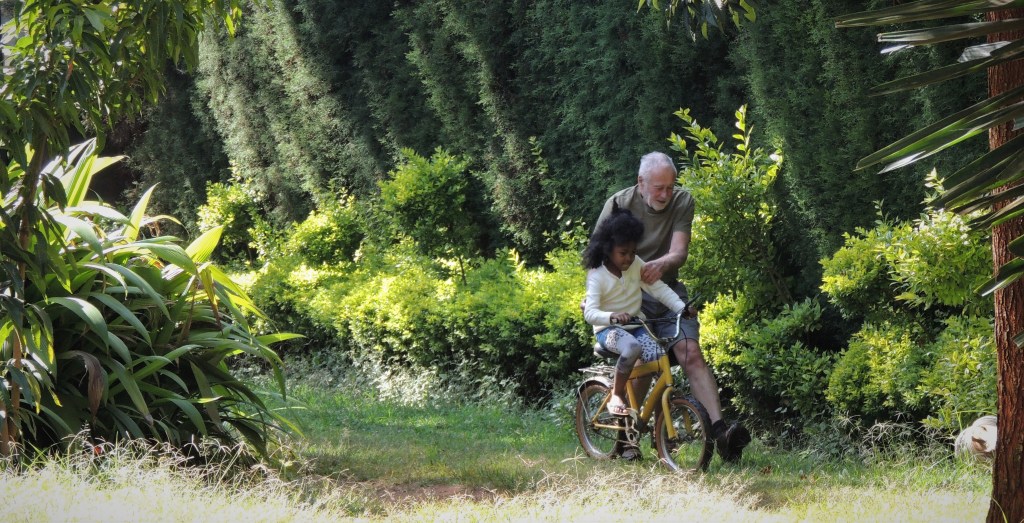
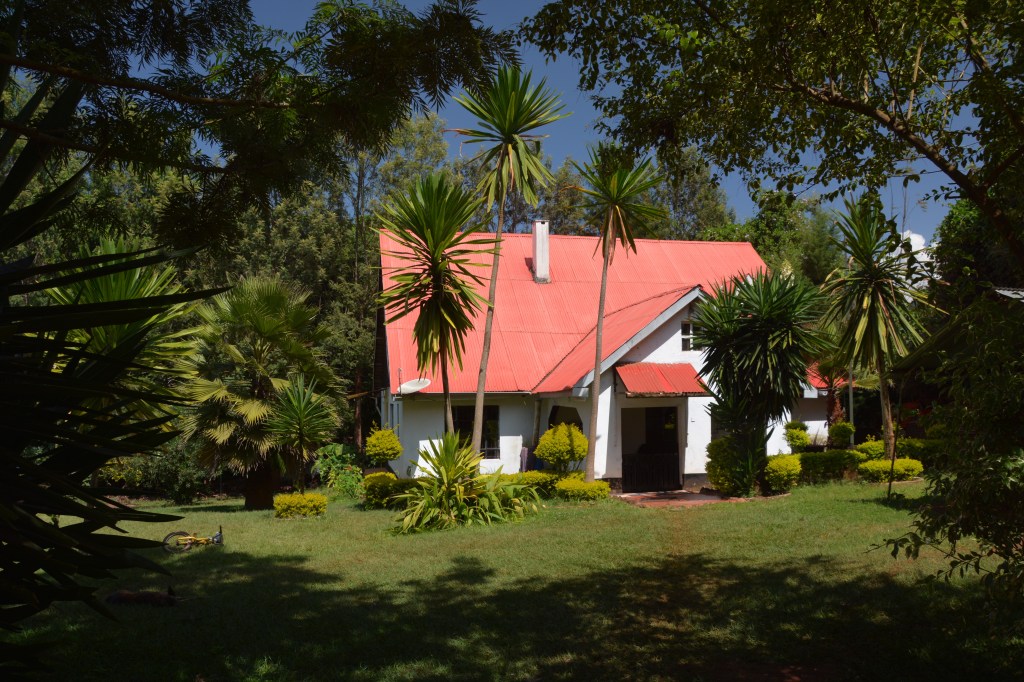

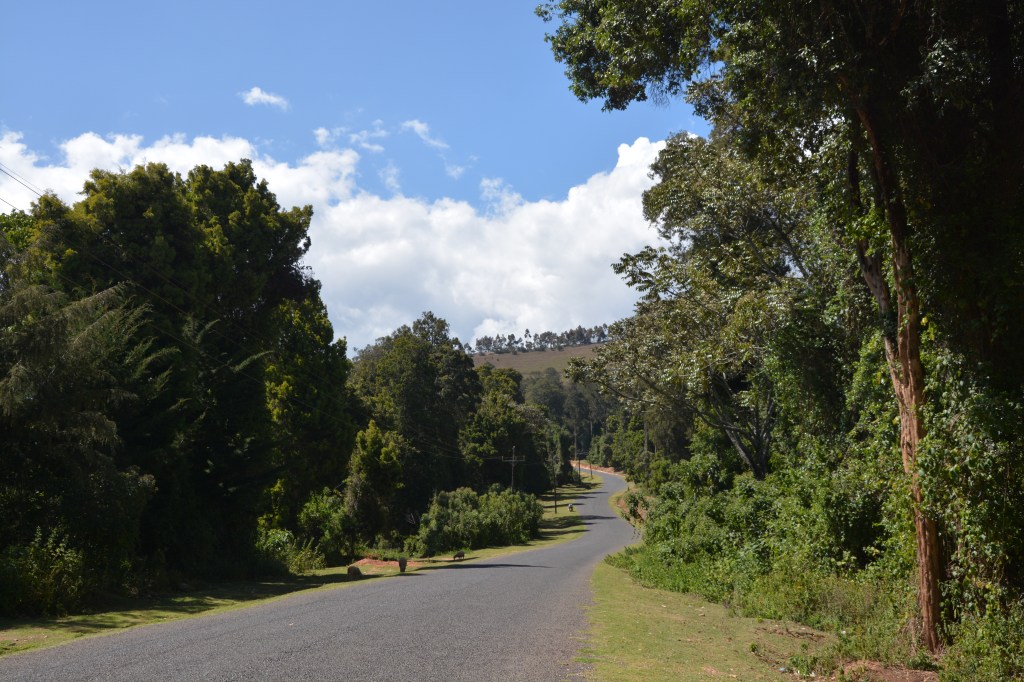
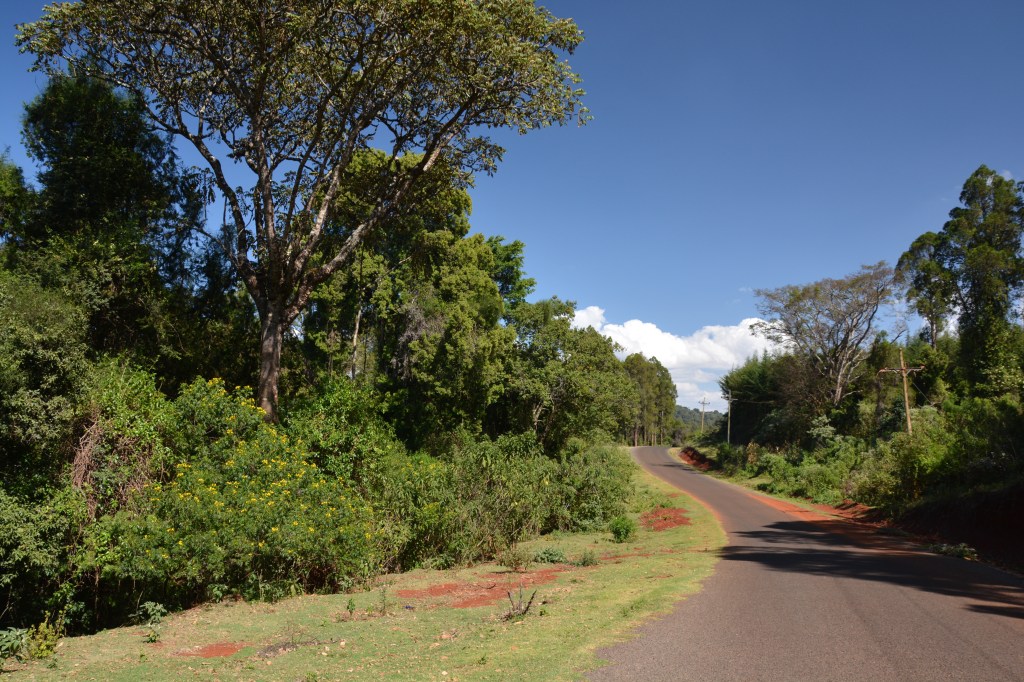
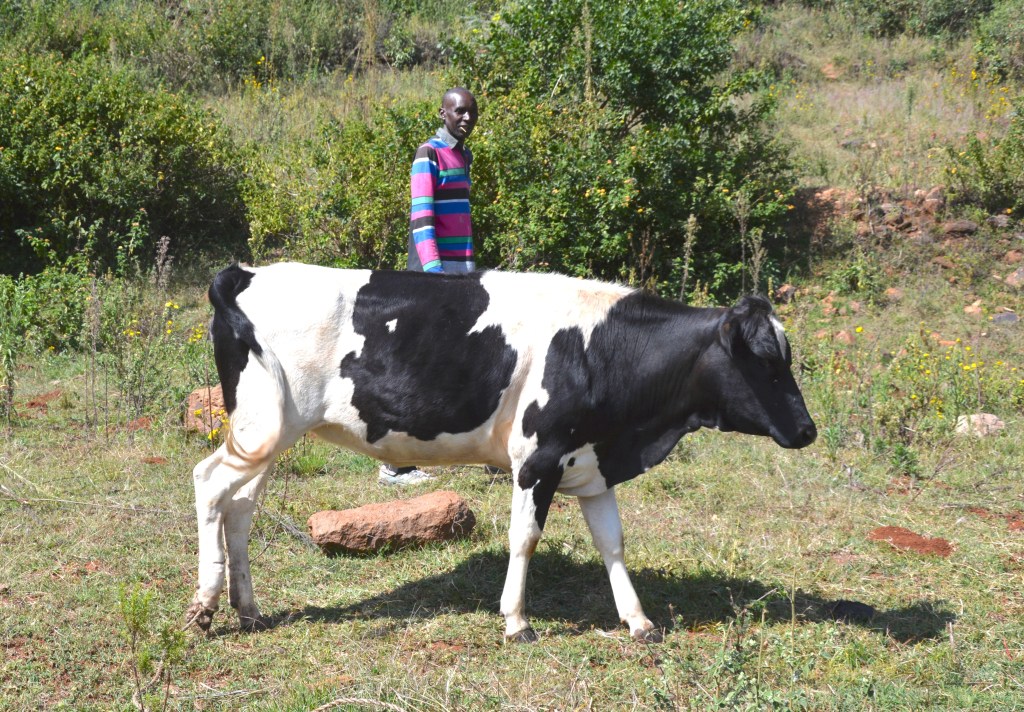
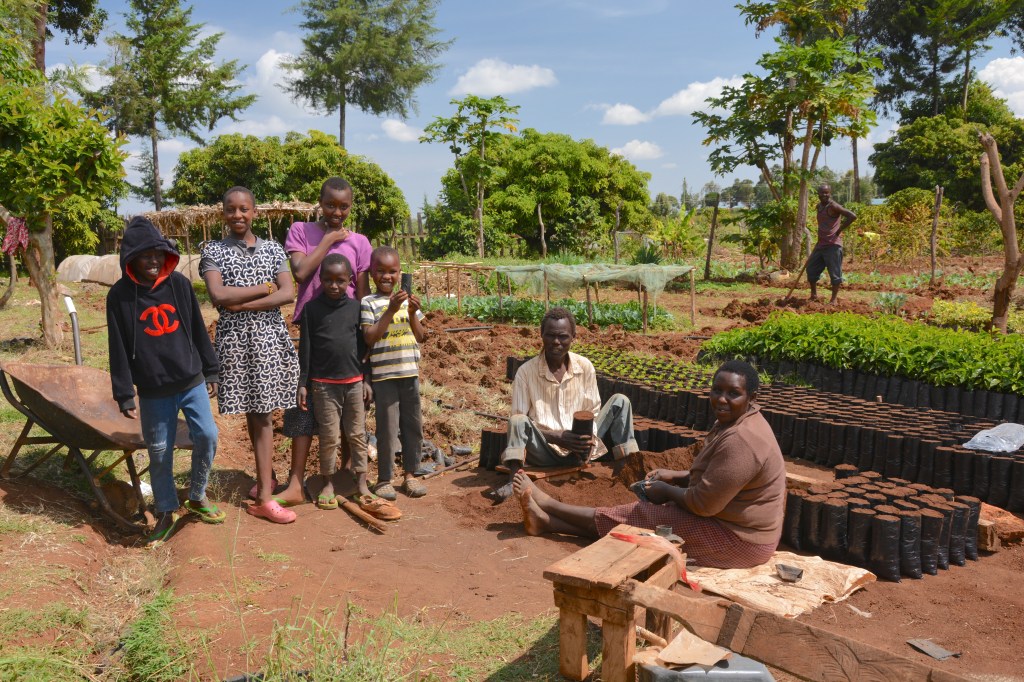
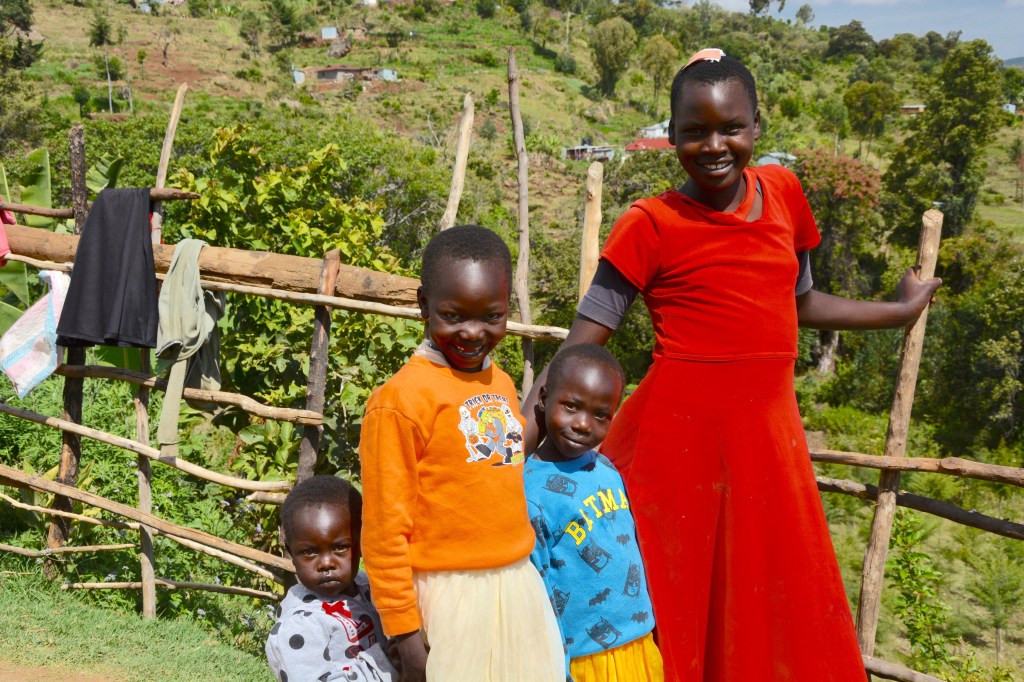
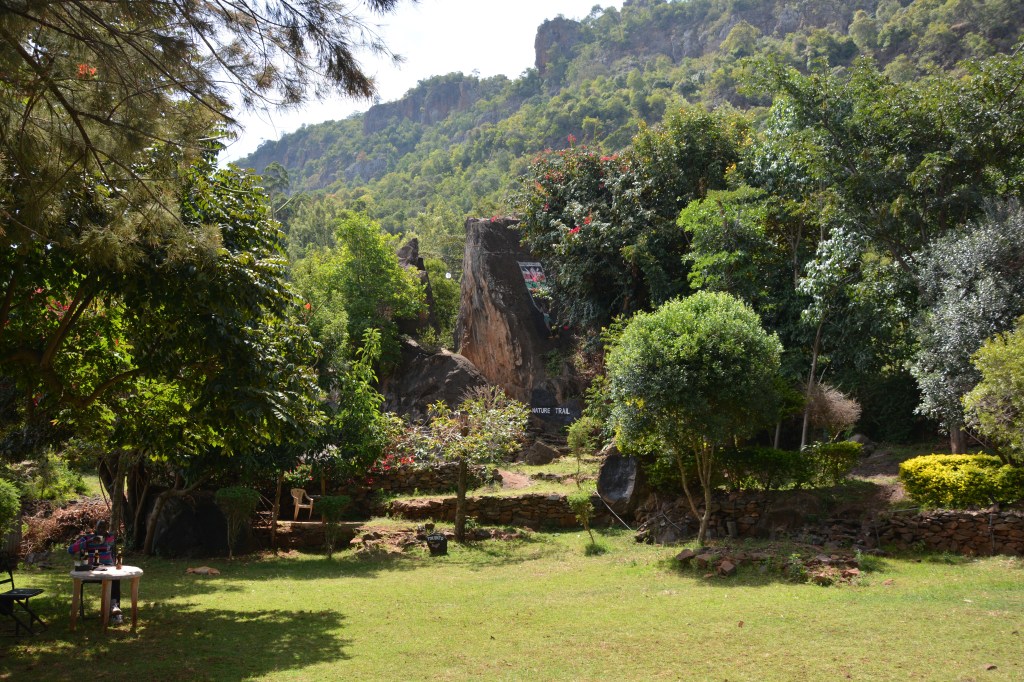
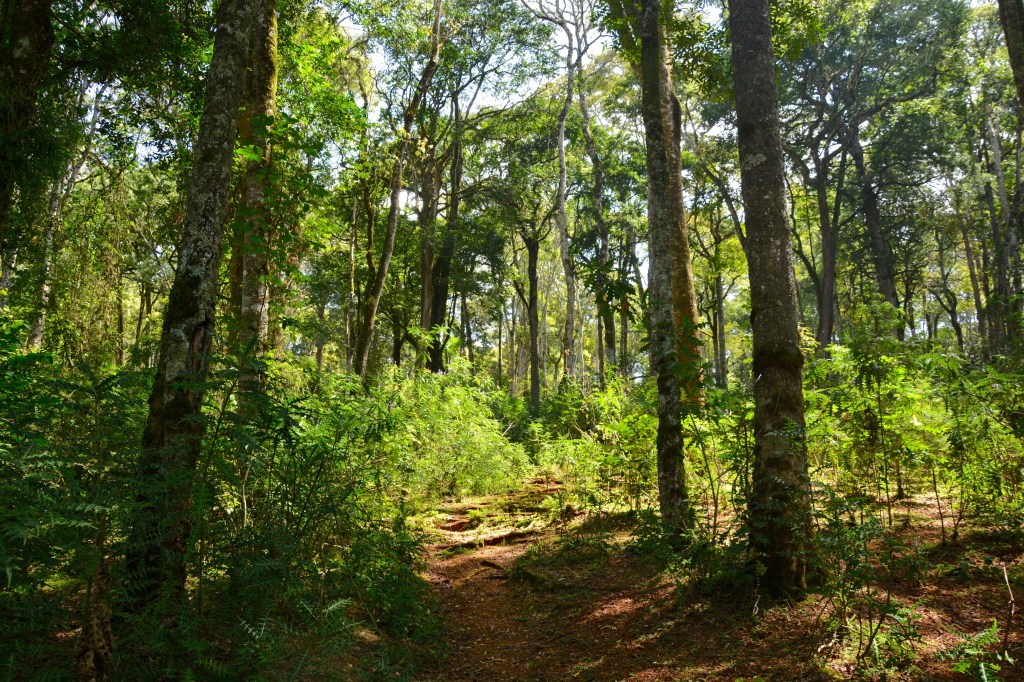
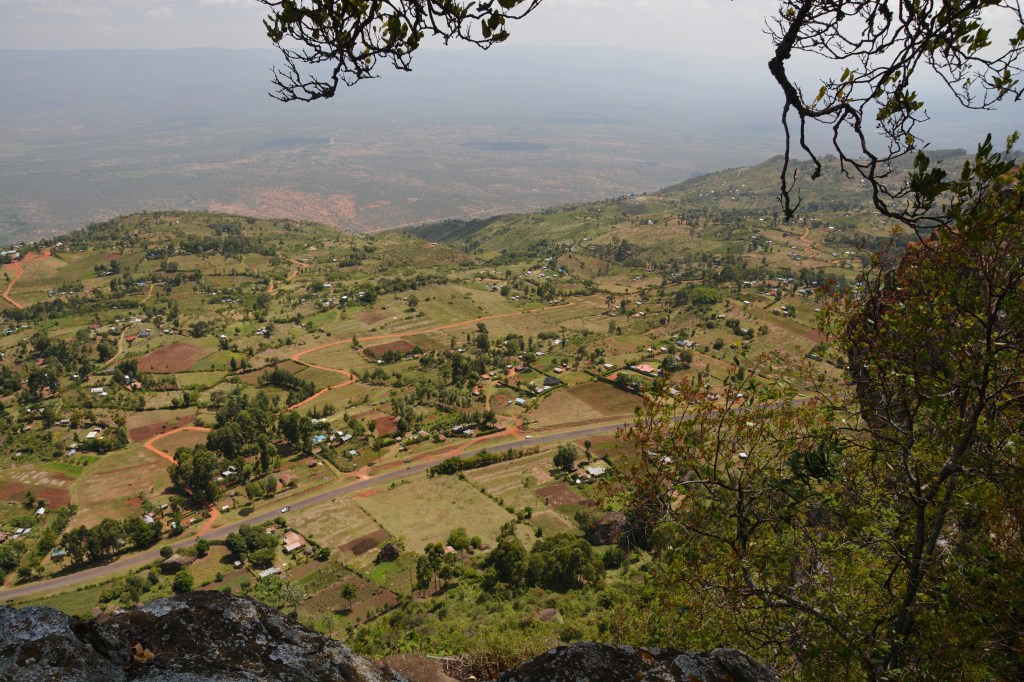
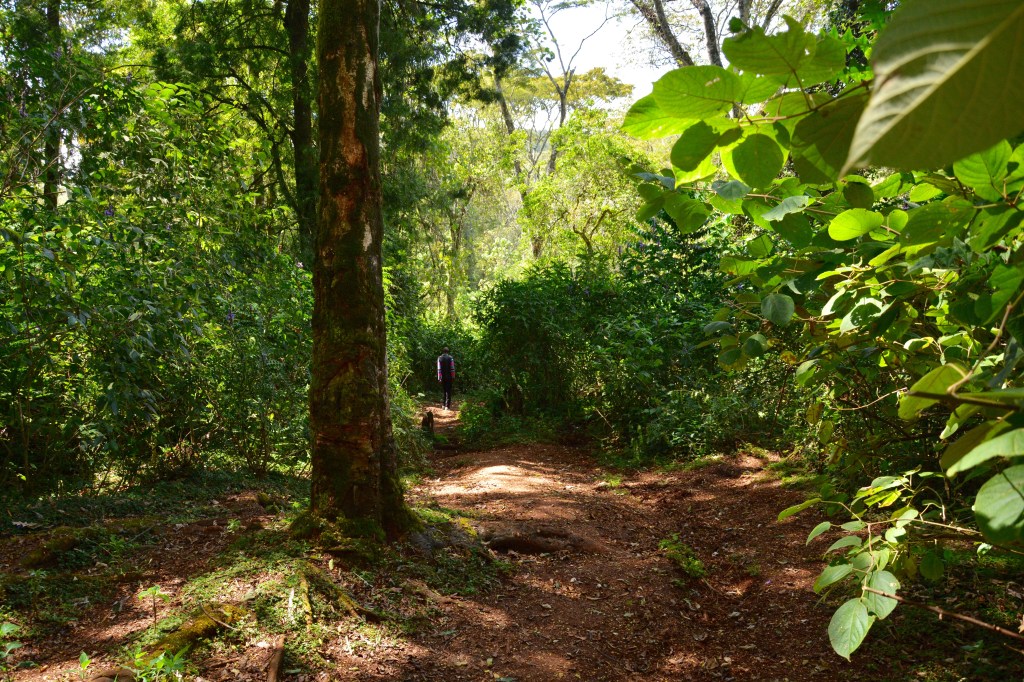
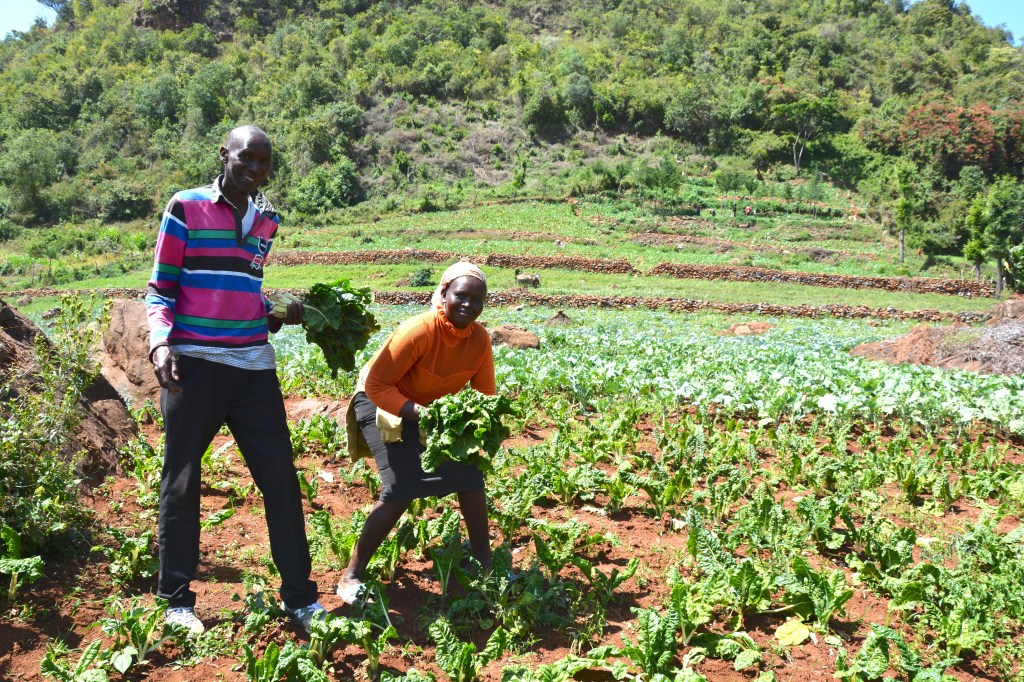
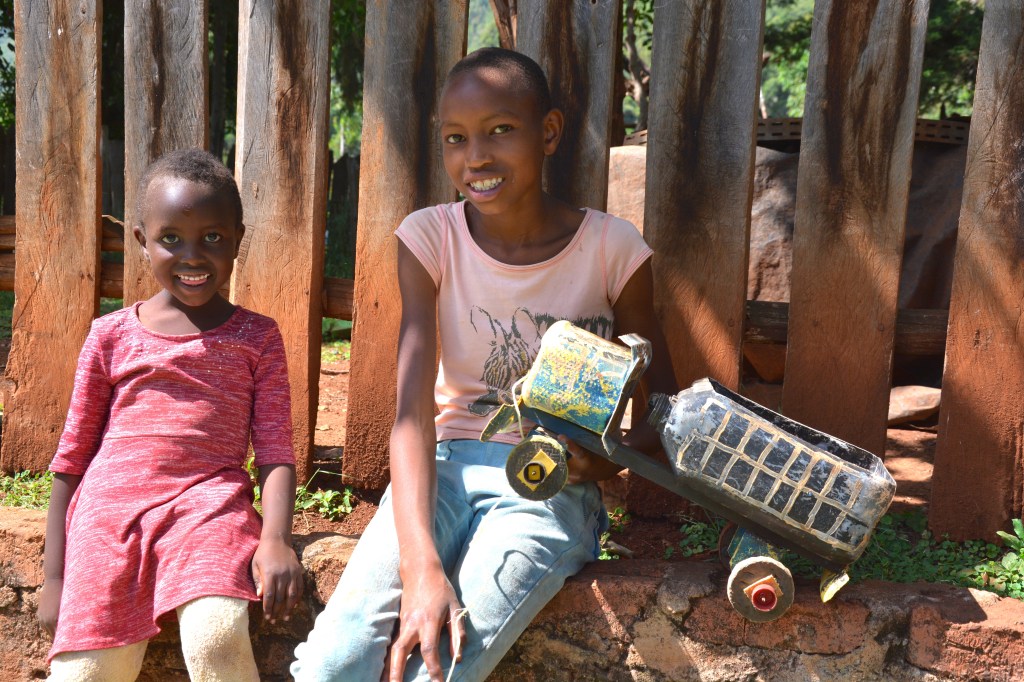
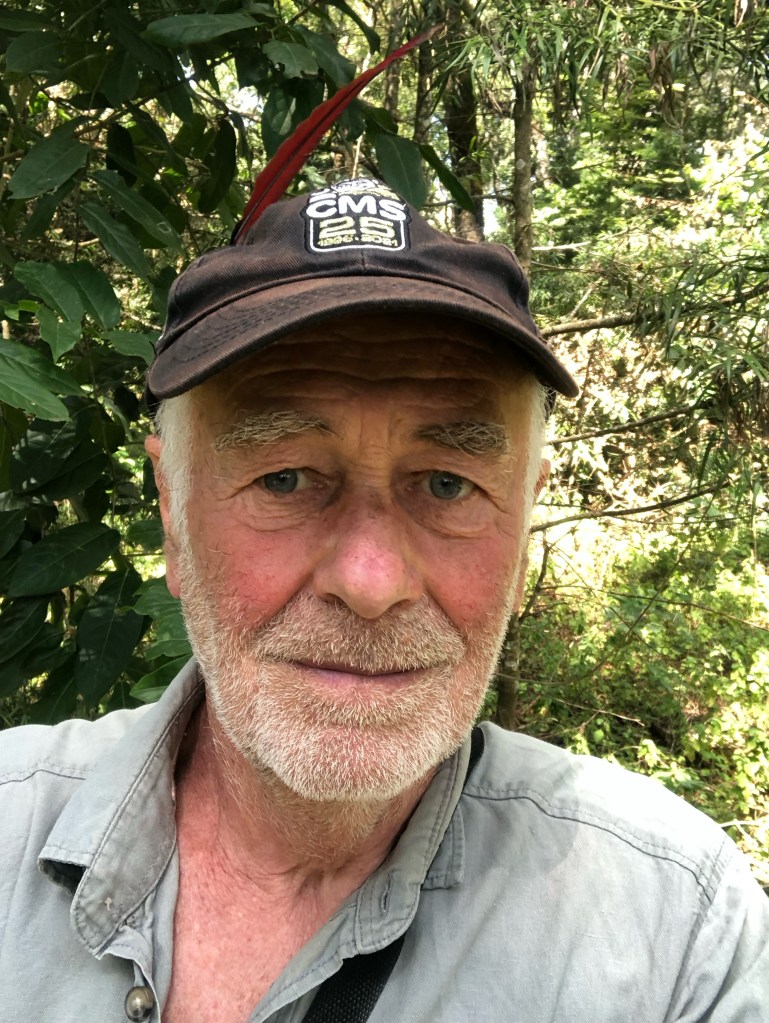
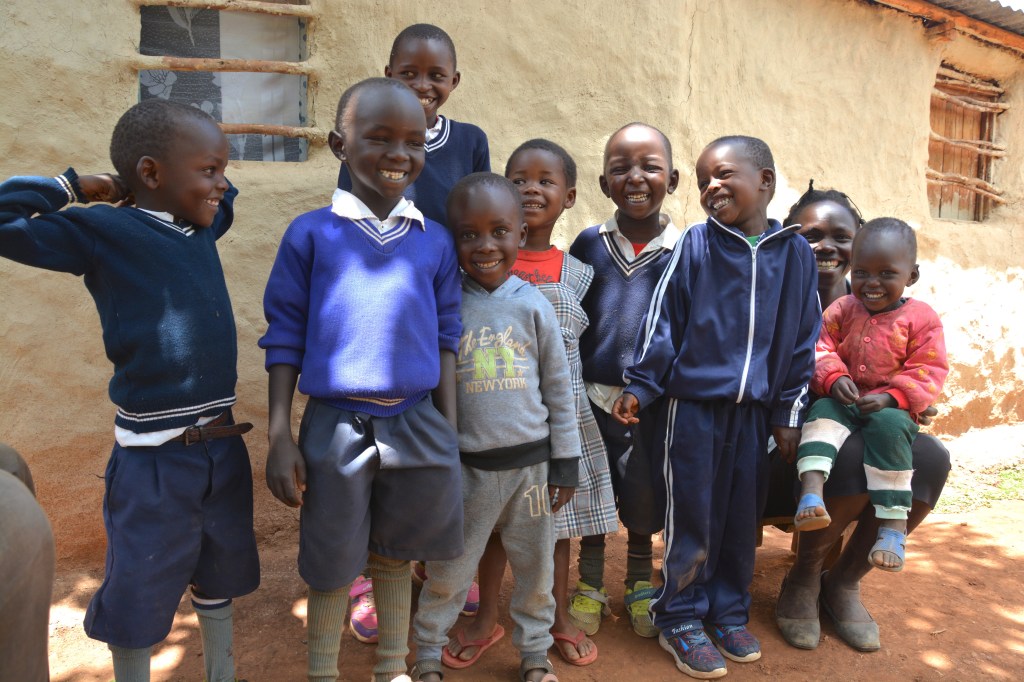


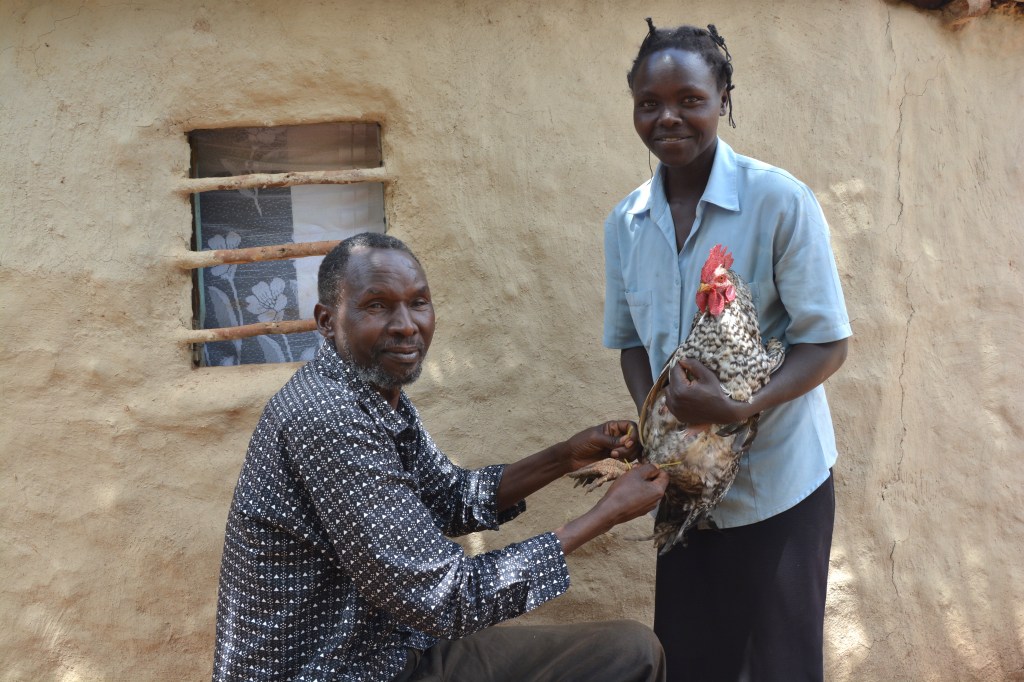

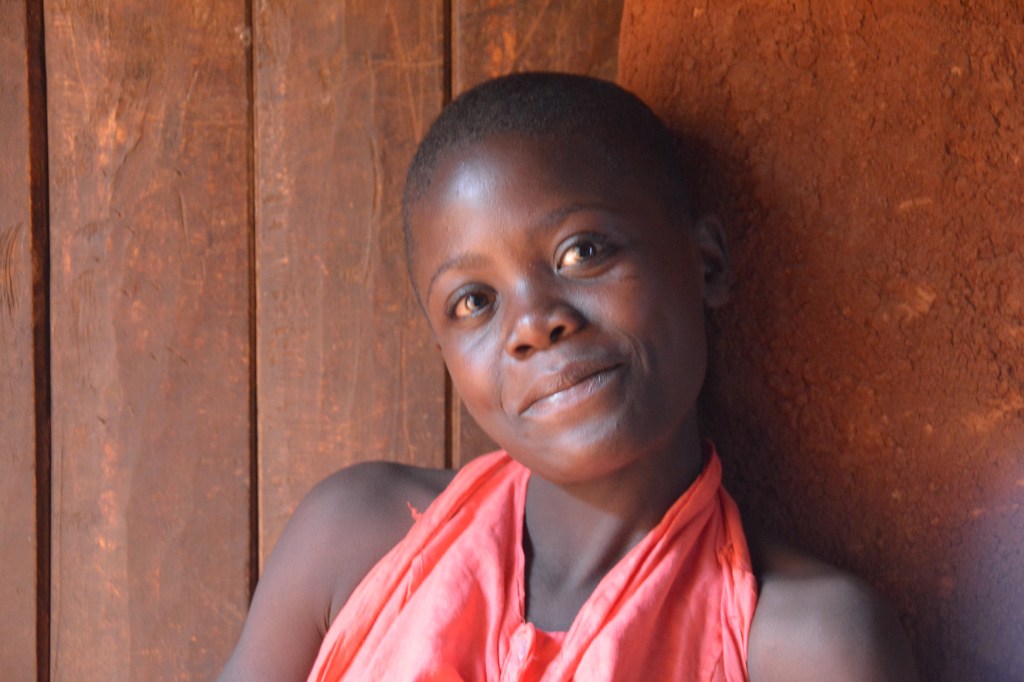
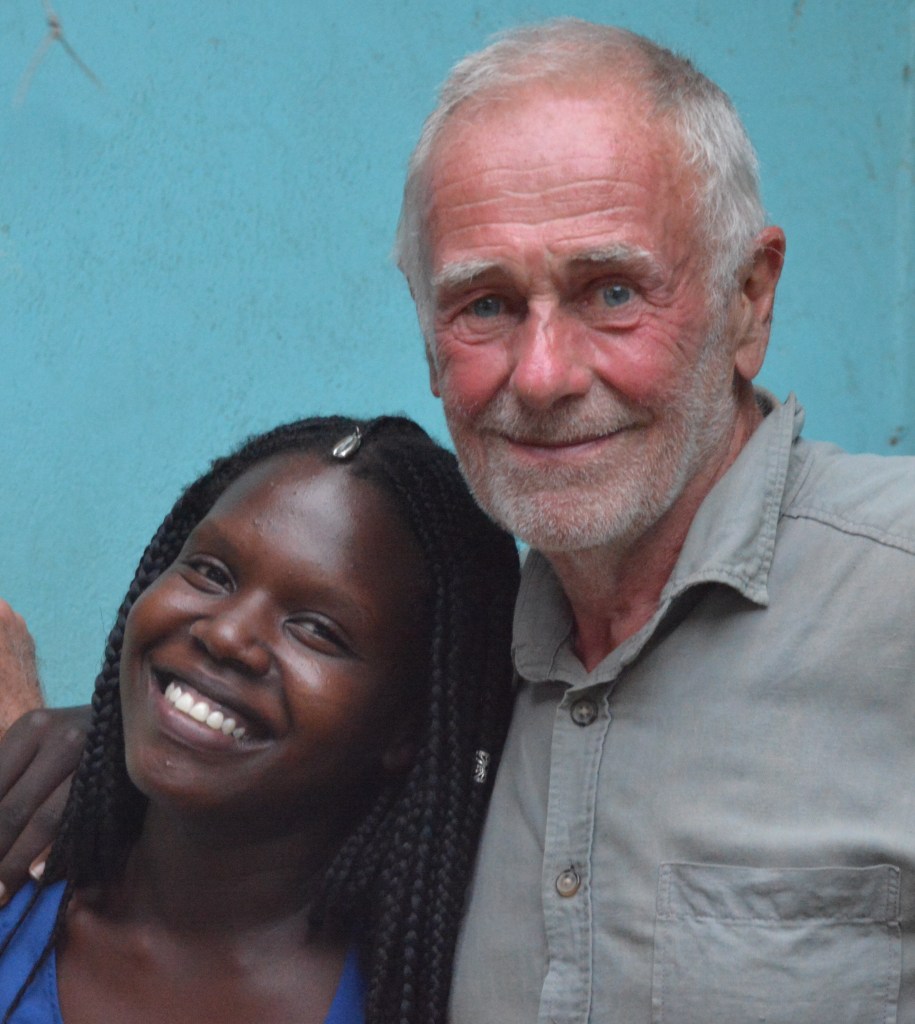
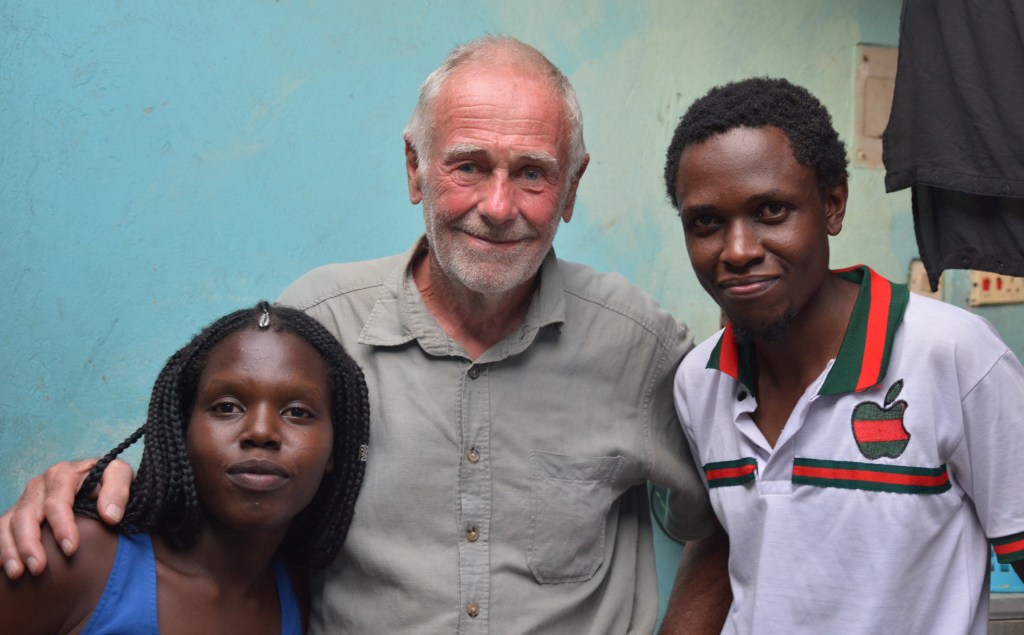
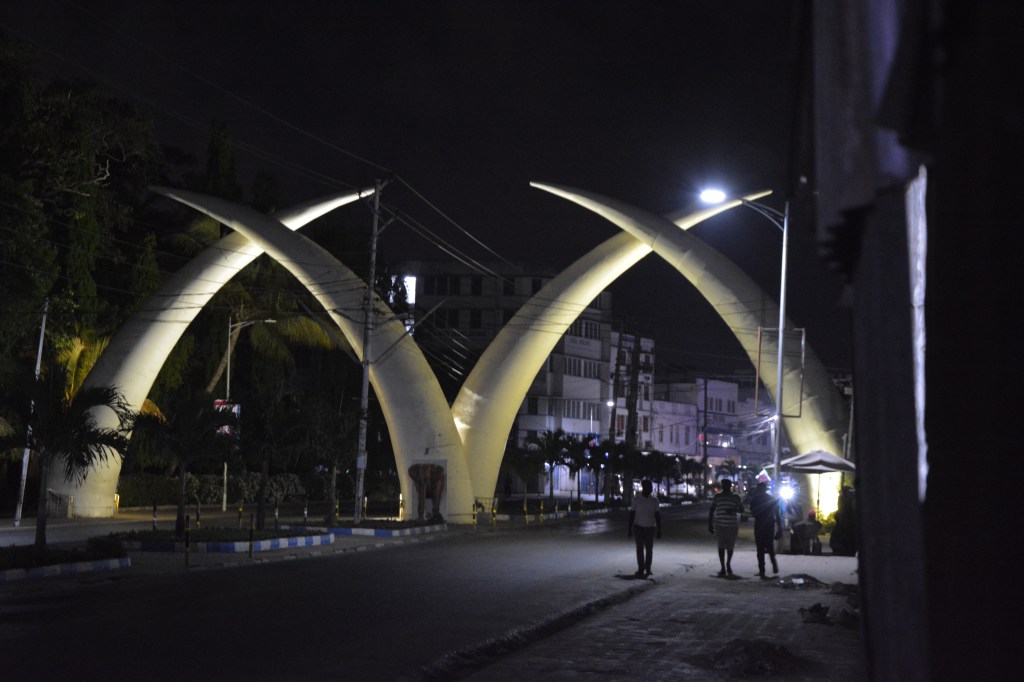


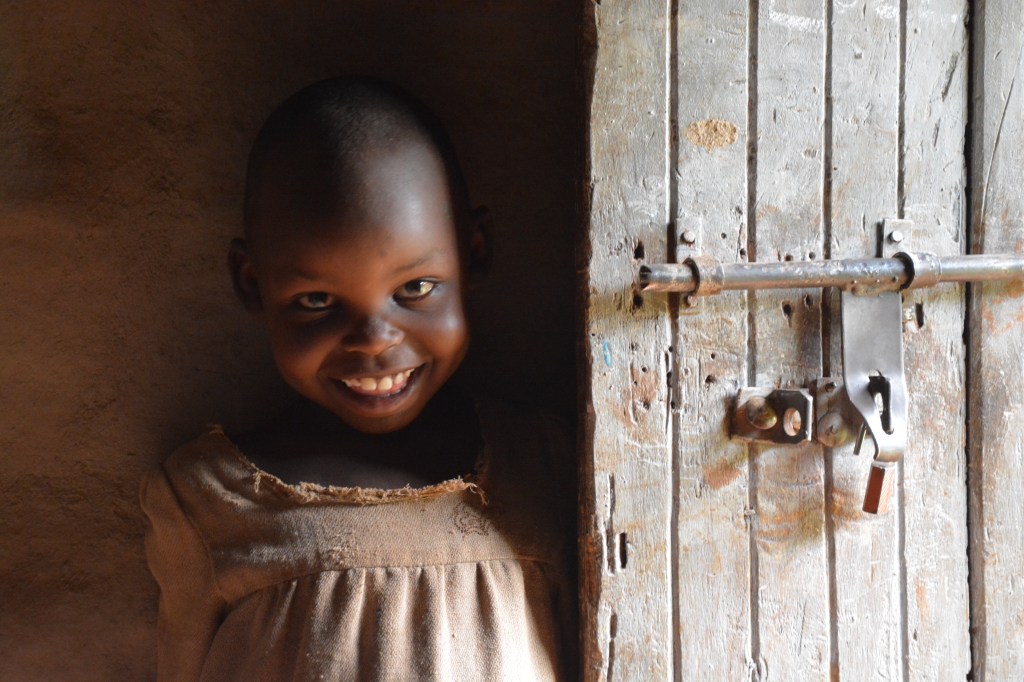
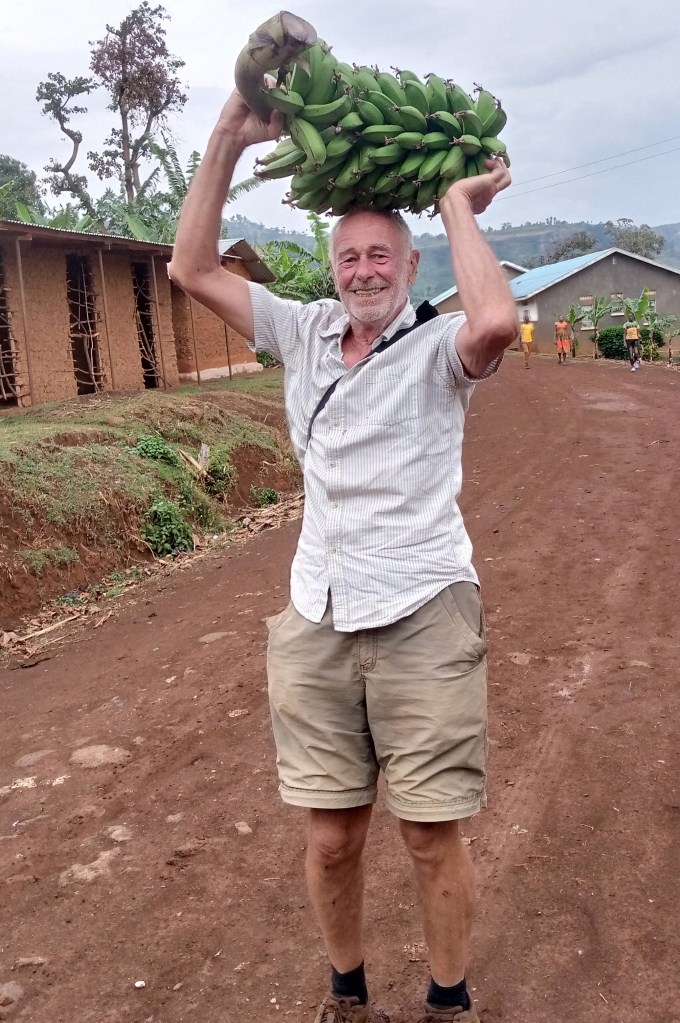
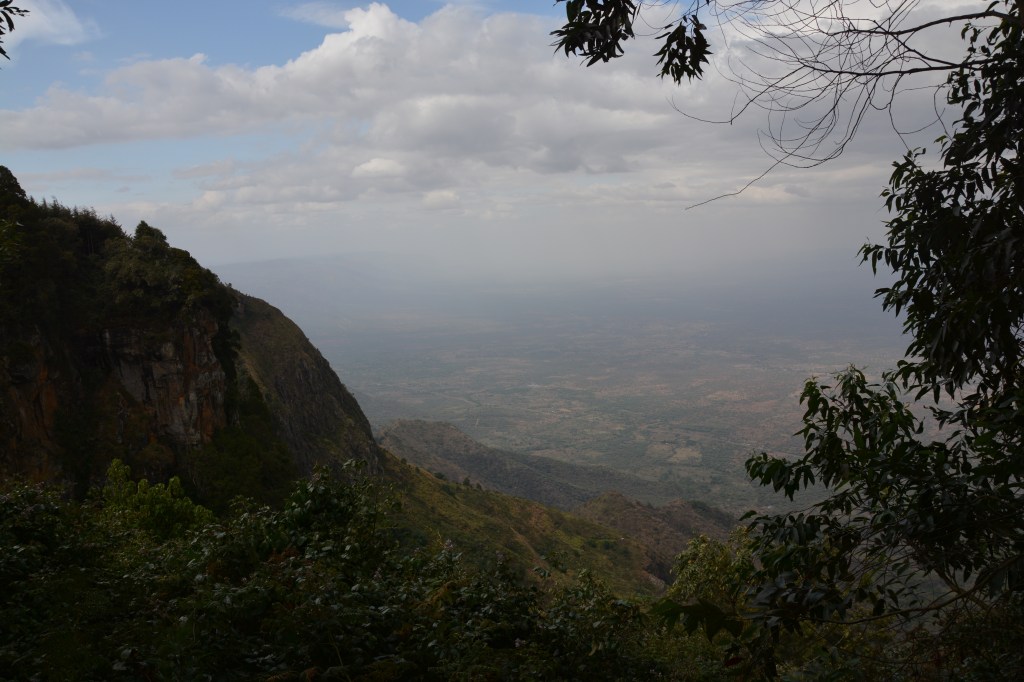
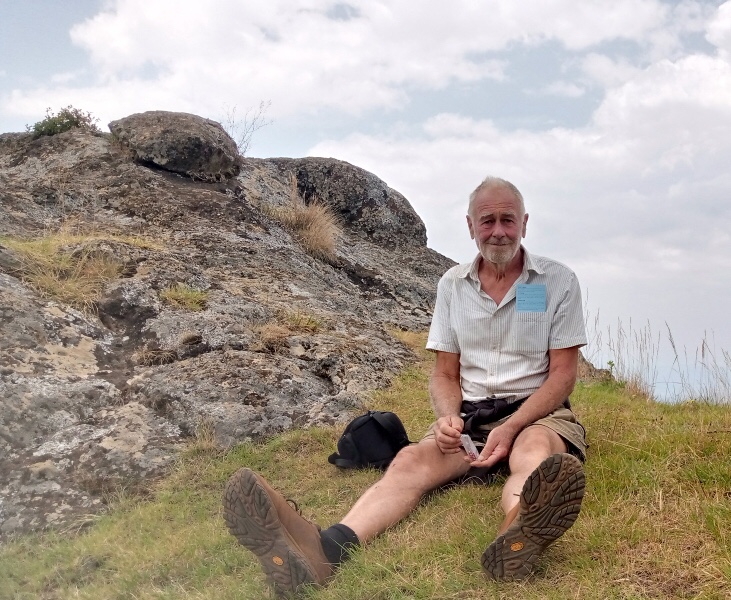

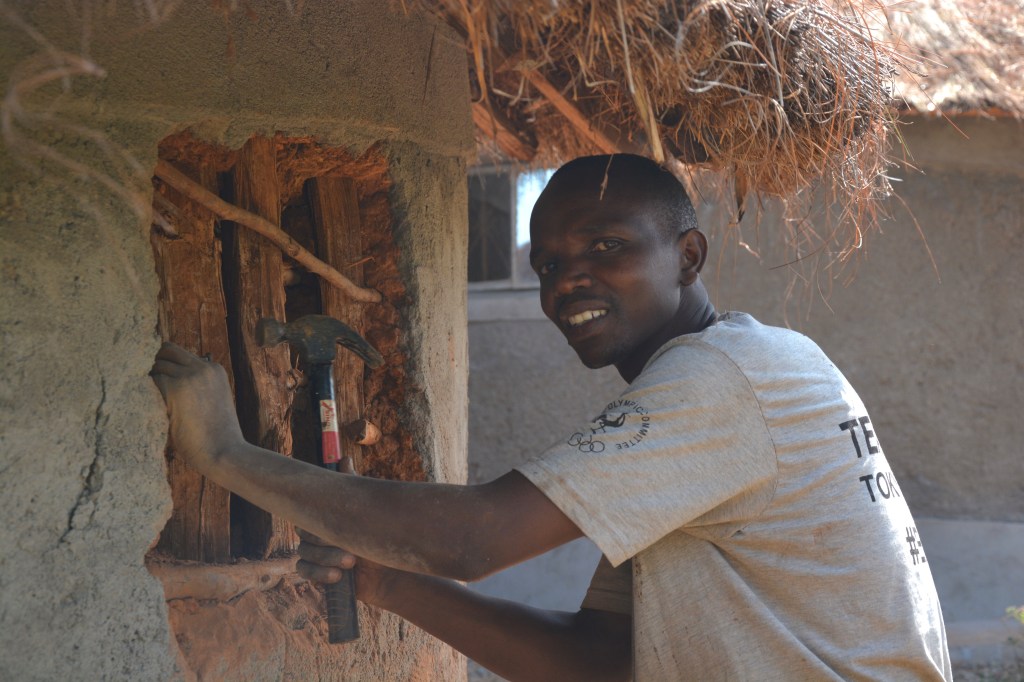
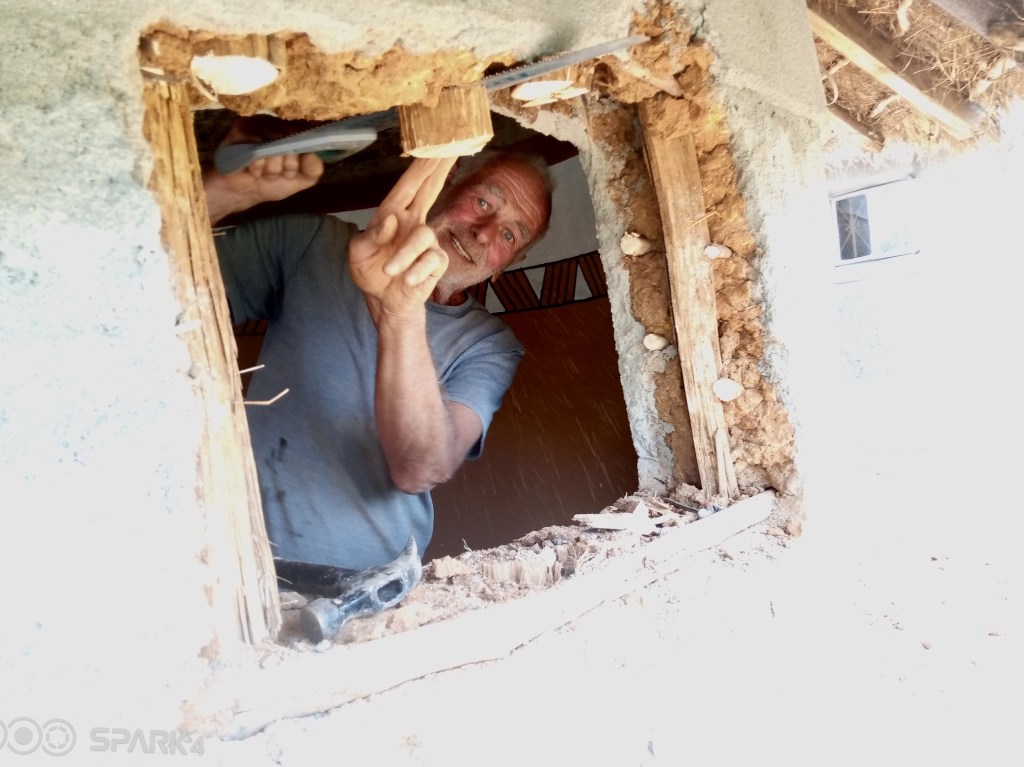

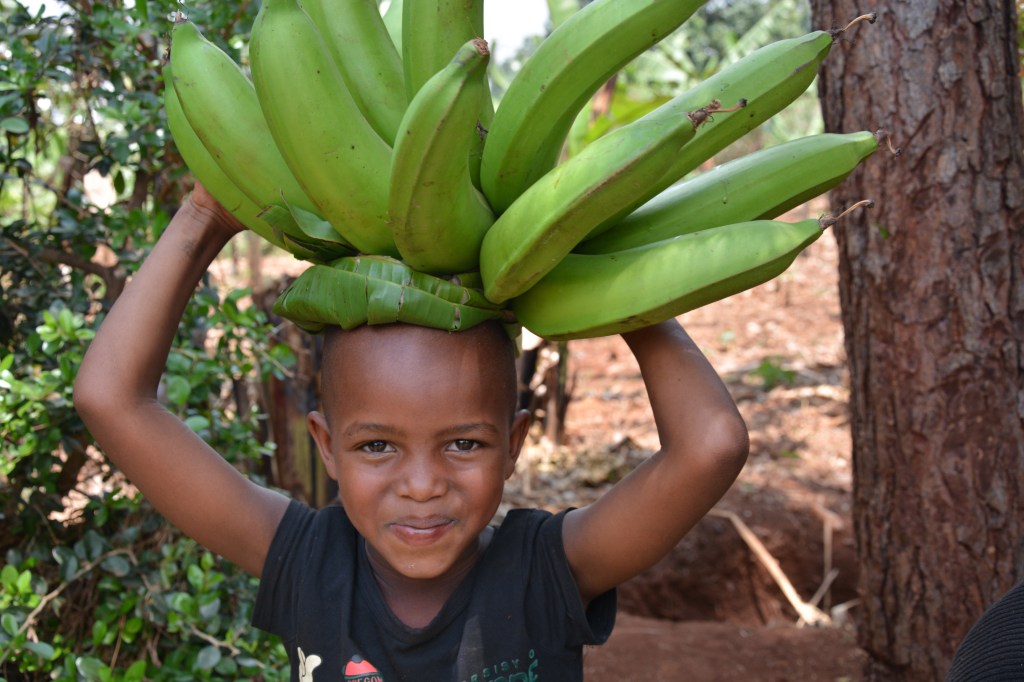

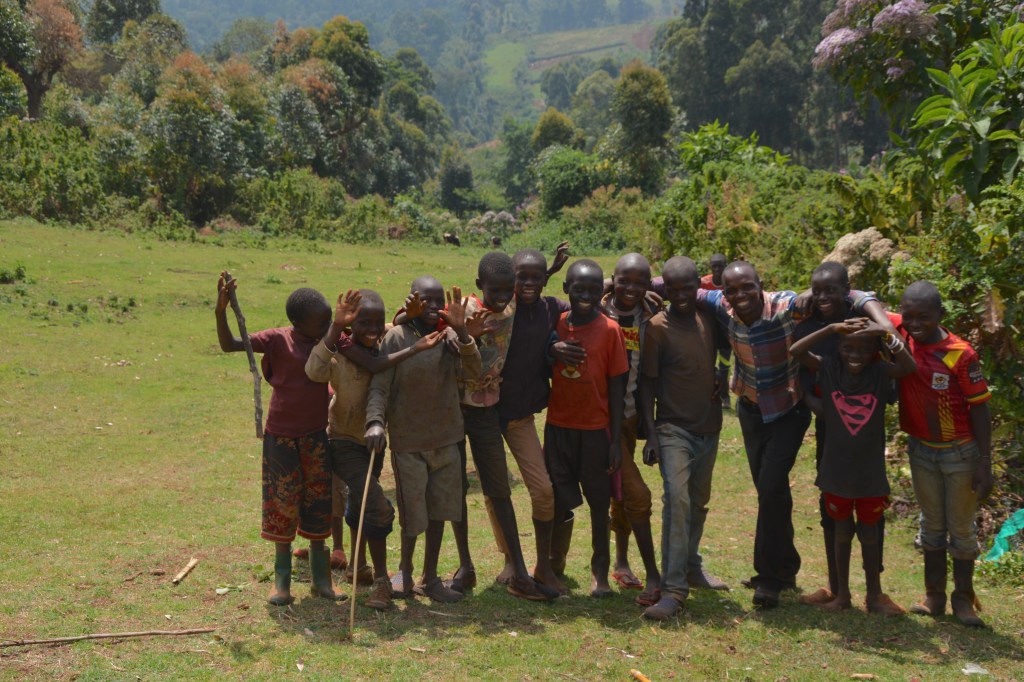
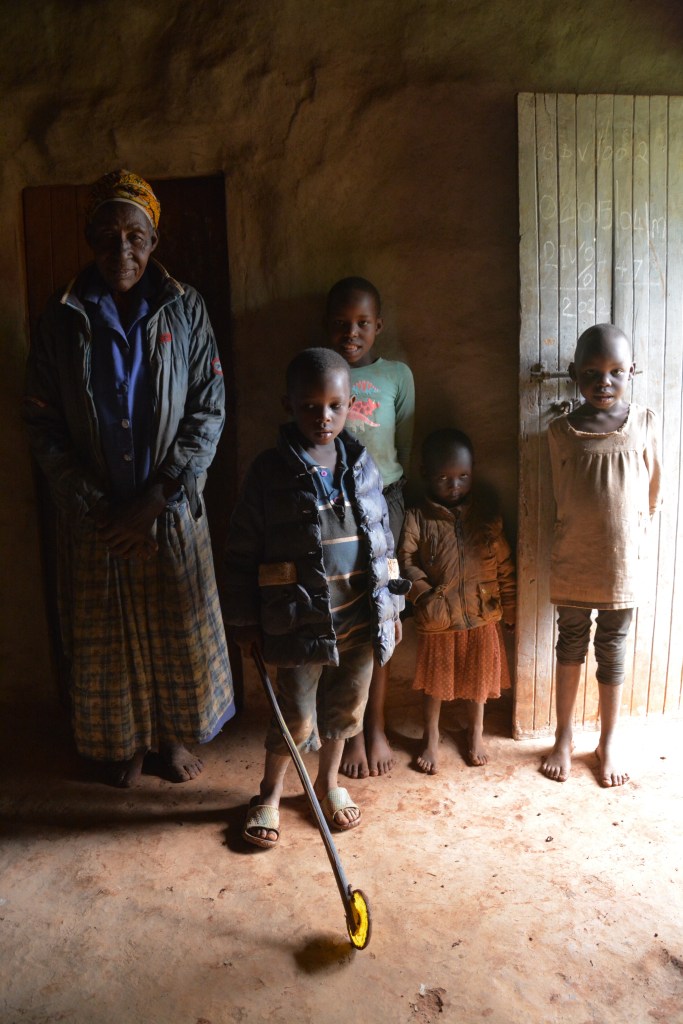

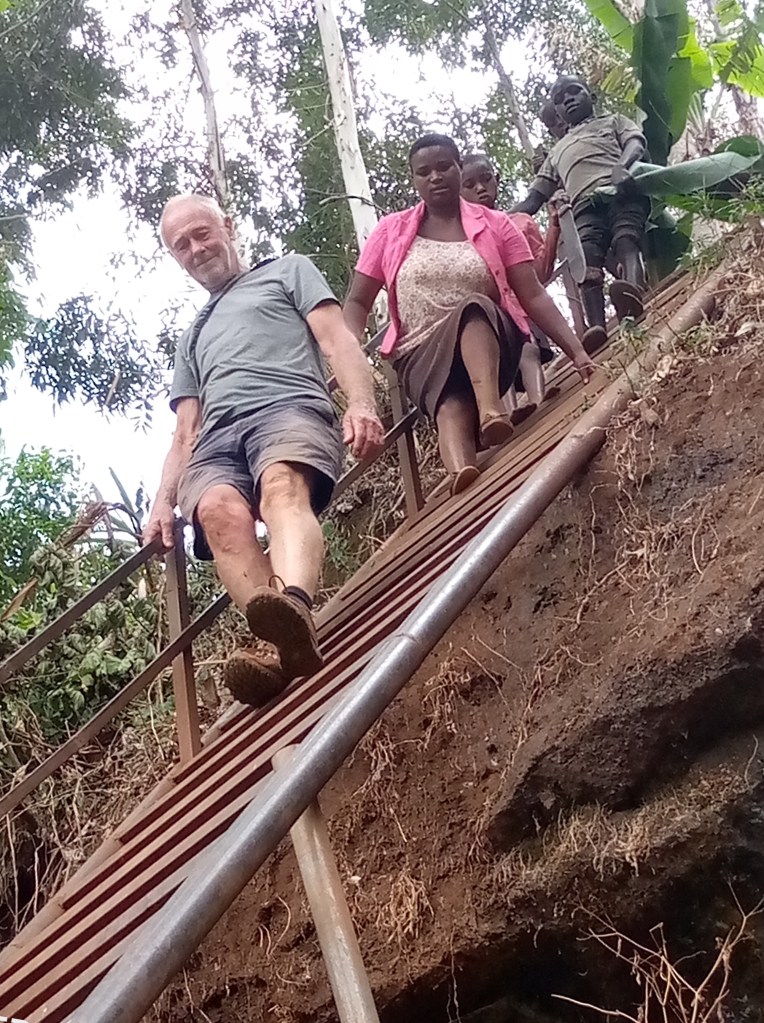
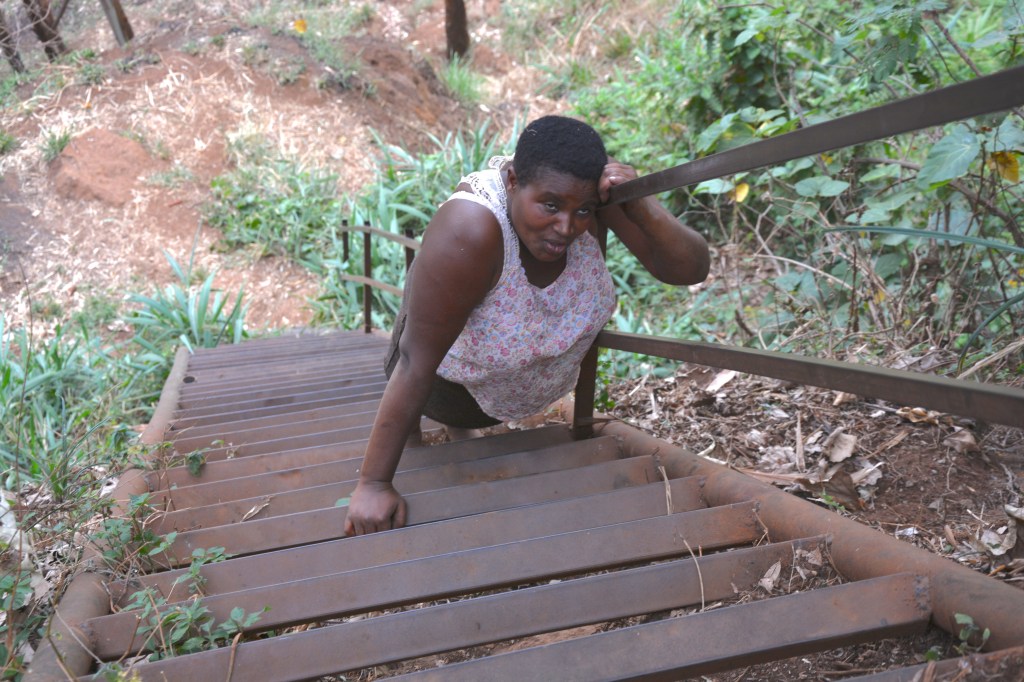
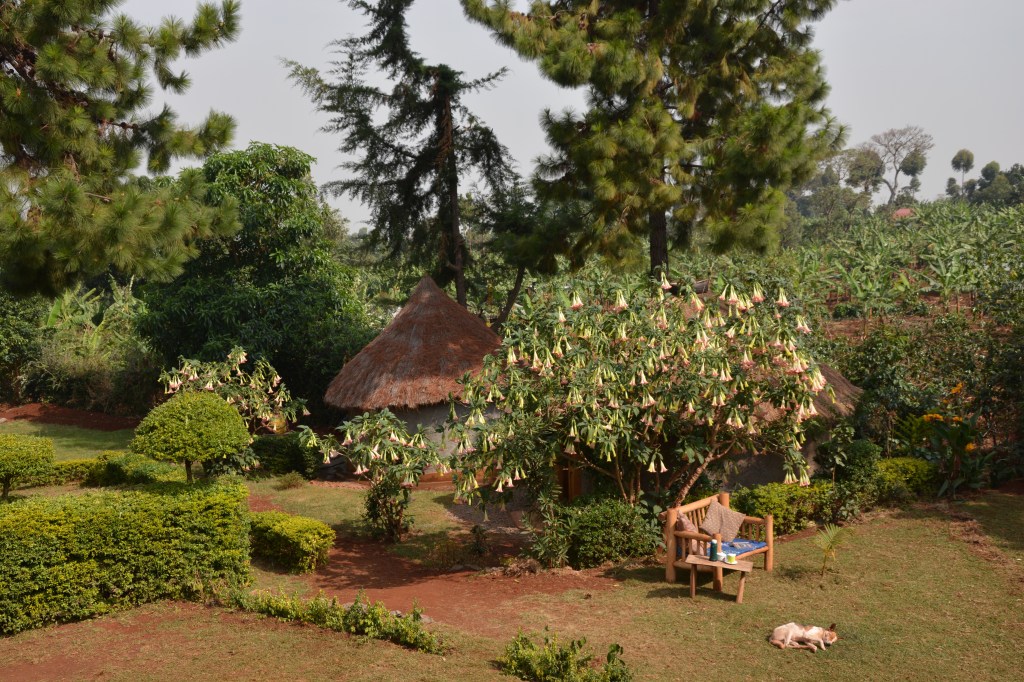
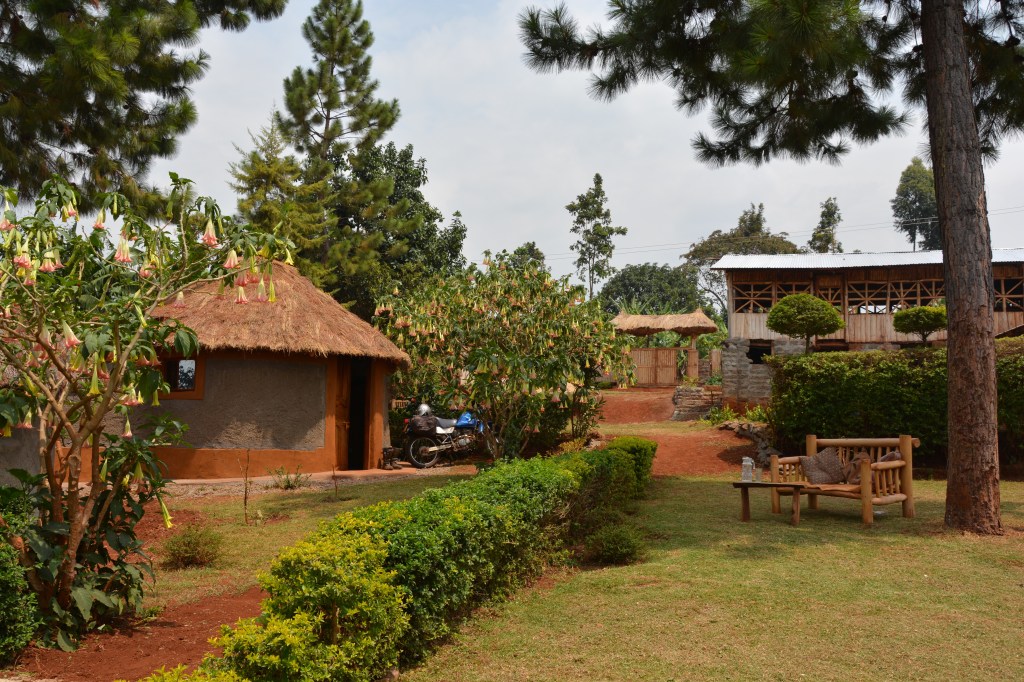
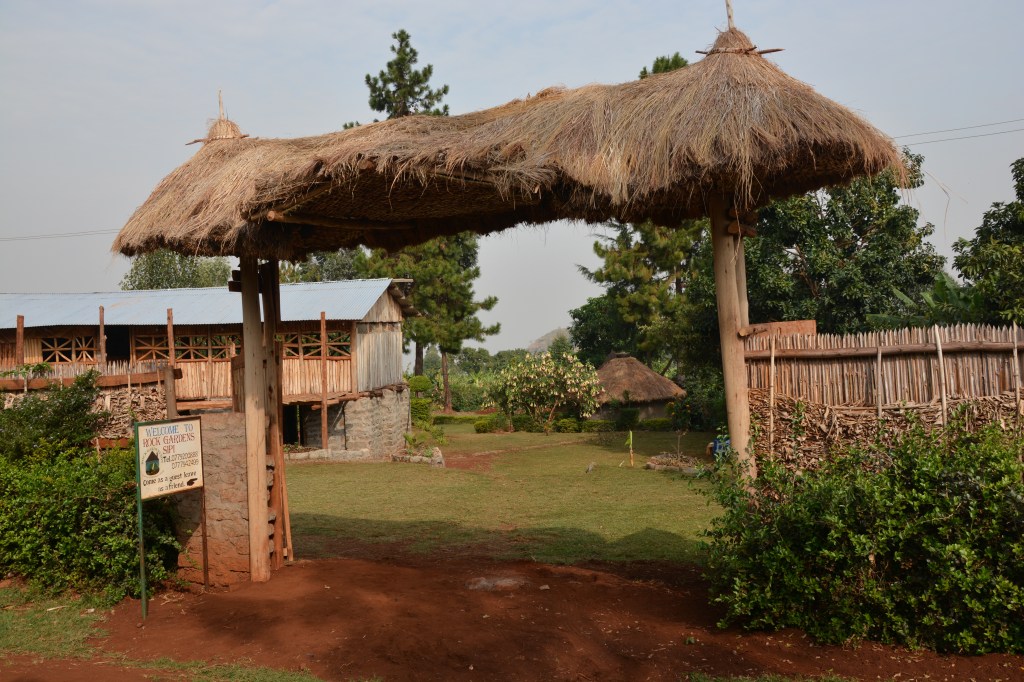
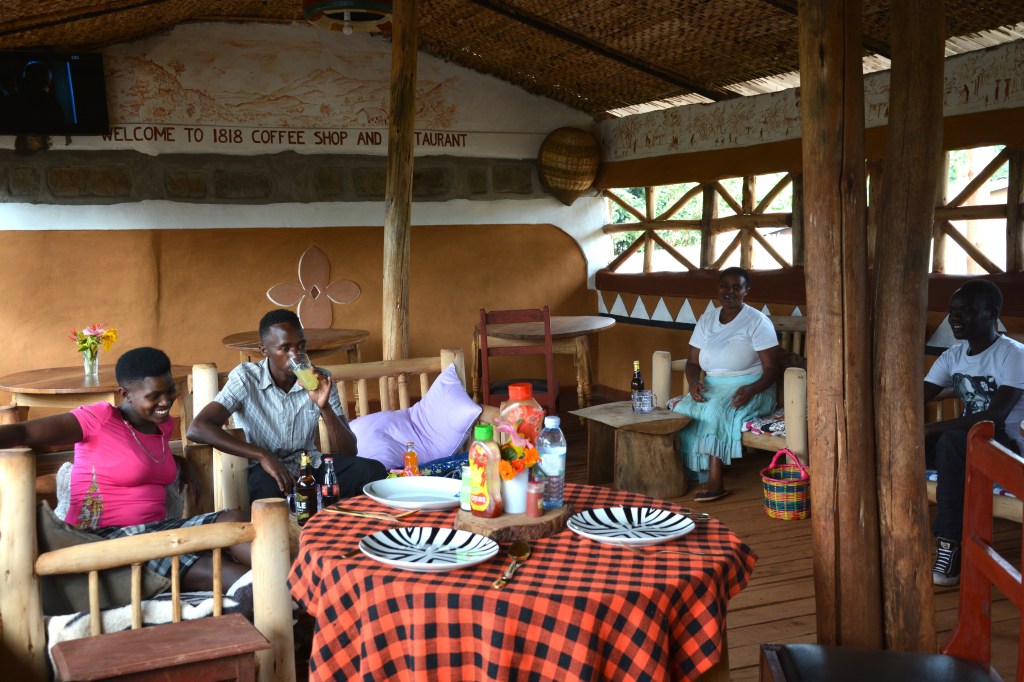
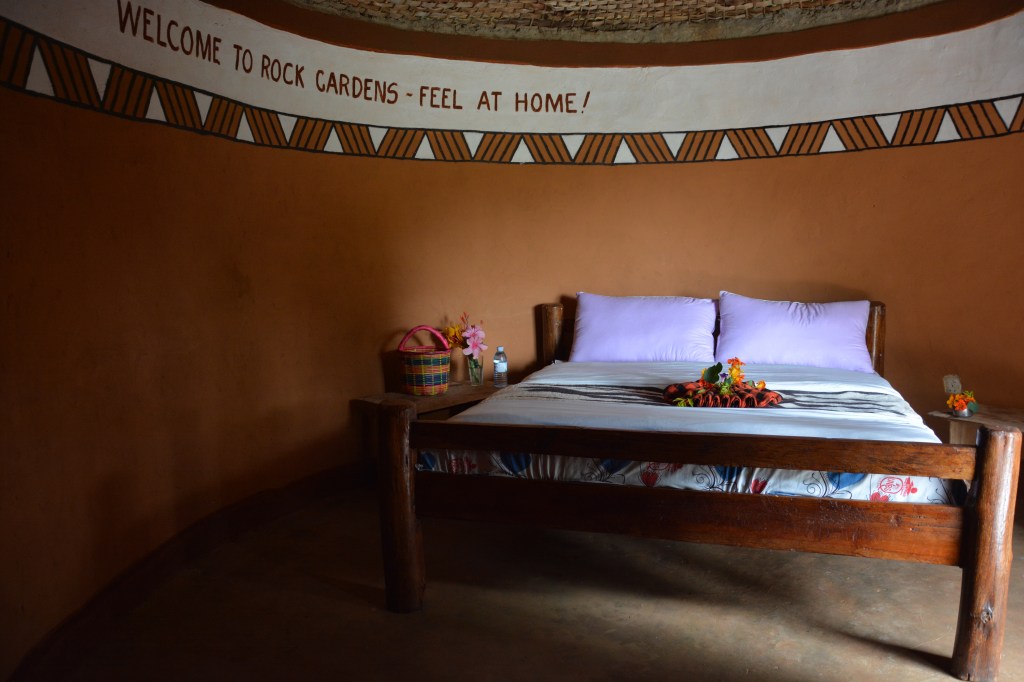
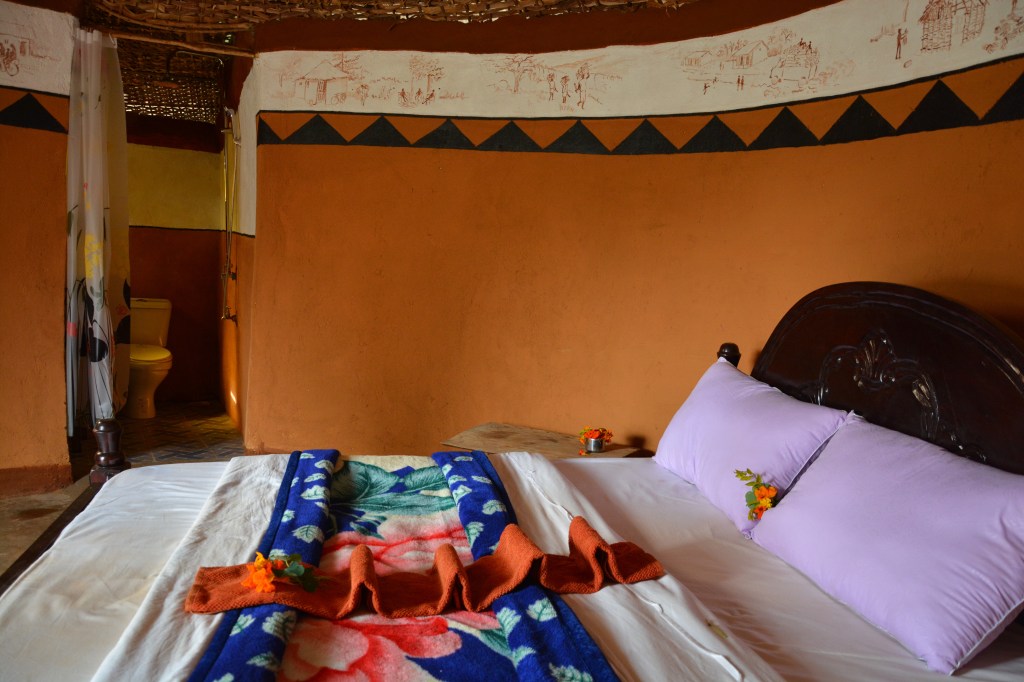

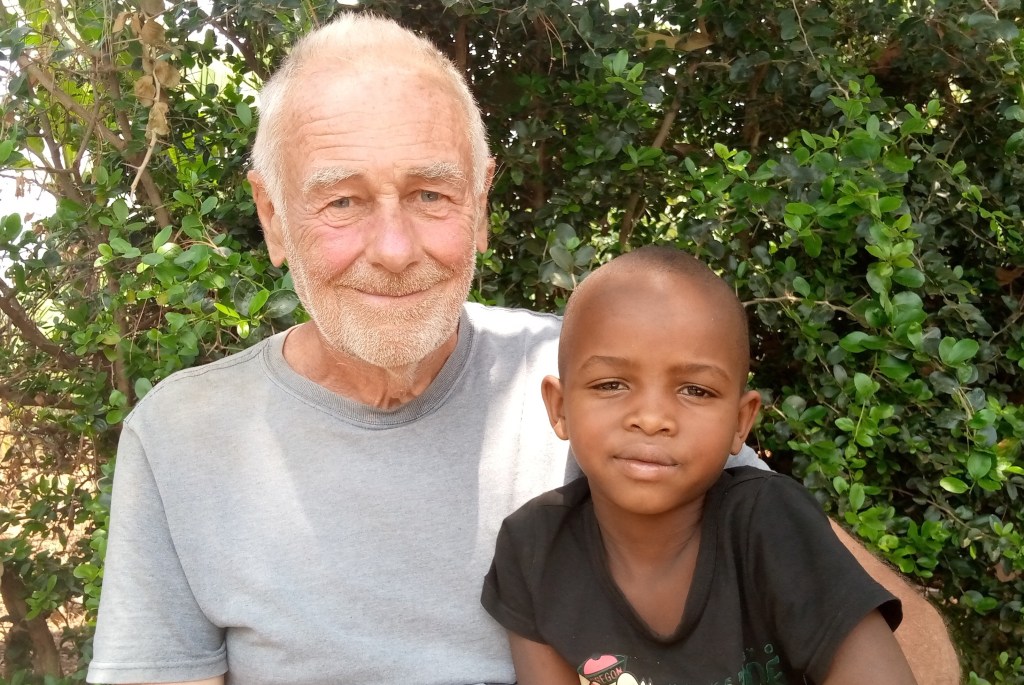
 jonathansjourney.net